查看原文
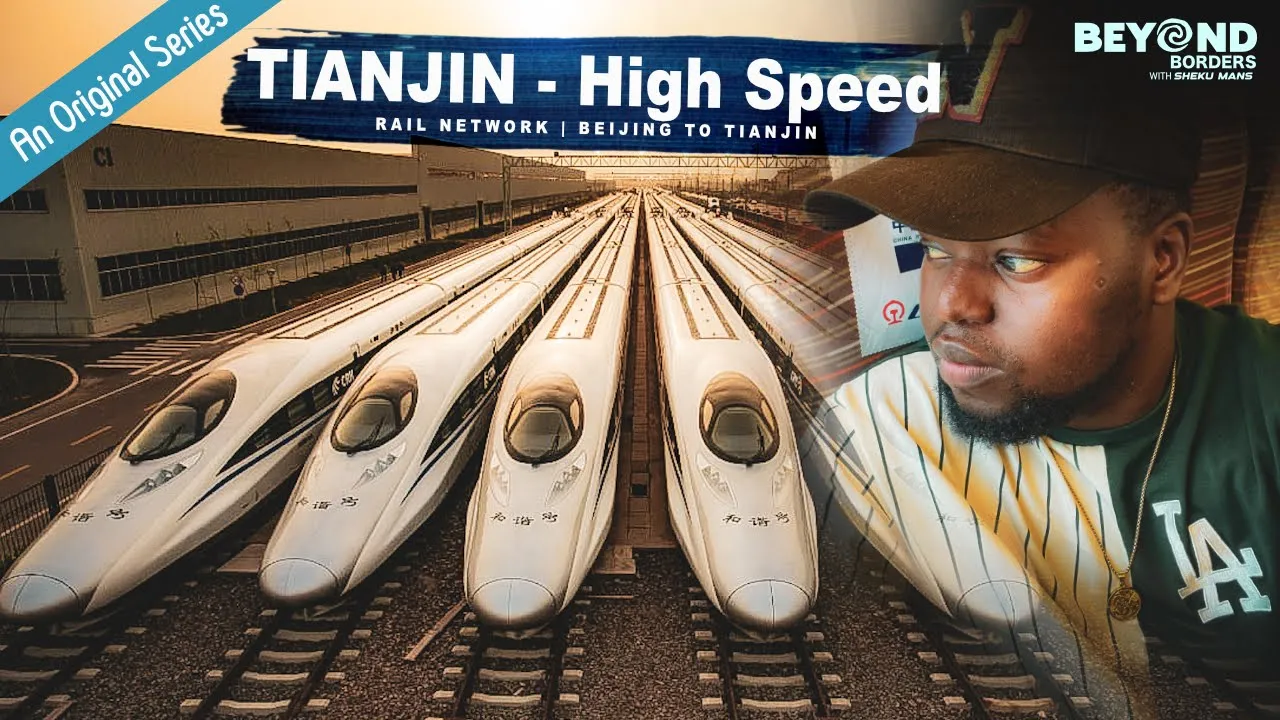
China’s High speed train | FIRST TIME on the bullet train in China 🇨🇳 BEIJING TO TIANJIN
Beijing to Tianjin: A Journey on China's High-Speed Rail
My first impression of China's high-speed train was an experience I will live to remember cause it is modern and futuristic. Yes, it is true China’s vast high-speed network is set to grow even larger and it will soon surpass its 30,000km of high-speed rail tracks. The most fascinating thing is two...
My first impression of China's high-speed train was an experience I will live to remember cause it is modern and futuristic. Yes, it is true China’s vast high-speed network is set to grow even larger and it will soon surpass its 30,000km of high-speed rail tracks. The most fascinating thing is two decades ago. China's infrastructure wasn’t like this.¶The period from 1997 to 2007 was a fundamental step in the right direction of developing China's rail network, connecting the rest of the Nation via a bullet train. In the late 1990s, China was experiencing a huge increase in capacity demands. So they put their brains to work and forced to invest and transform their transport network to go faster and more efficient.¶In this video, I traveled from Beijing to Tianjin on the bullet train for the first time in China.
Sheku Mans's maiden voyage on China's high-speed rail network from Beijing to Tianjin was a transformative experience. Witnessing the futuristic speed and efficiency of the bullet train, he marvels at China's remarkable infrastructural advancements over the past two decades. From a period of limited capacity in the late 1990s, China's strategic investments have resulted in an extensive high-speed rail system, connecting the nation with unprecedented speed and efficiency. This journey offers a captivating glimpse into China's rapid modernization and impressive engineering feats.
My first impression of China's high-speed train was an experience I will live to remember cause it is modern and futuristic. Yes, it is true China’s vast high-speed network is set to grow even larger and it will soon surpass its 30,000km of high-speed rail tracks. The most fascinating thing is two decades ago. China's infrastructure wasn’t like this.¶The period from 1997 to 2007 was a fundamental step in the right direction of developing China's rail network, connecting the rest of the Nation via a bullet train. In the late 1990s, China was experiencing a huge increase in capacity demands. So they put their brains to work and forced to invest and transform their transport network to go faster and more efficient.¶In this video, I traveled from Beijing to Tianjin on the bullet train for the first time in China.
This video documents Sheku Mans's first experience riding China's high-speed train from Beijing to Tianjin. Sheku's initial excitement is palpable as he describes the modern and futuristic feel of the Beijing South Railway Station. He marvels at the efficiency of the security checks and the bilingual signage, noting the ease of navigation even for a foreigner.
The journey itself is described as incredibly smooth and comfortable, even in third class. Sheku emphasizes the affordability of the ticket, contrasting it favorably with air travel, which he notes is often delayed and less organized. He highlights the punctuality of the train, arriving in Tianjin much faster than anticipated.
Sheku's observations extend beyond the mere mechanics of travel. He reflects on China's remarkable infrastructural development over the past two decades, praising the country's commitment to modernization and efficiency. He contrasts this with other nations, expressing a degree of envy for China's achievements in this area.
The video concludes with Sheku's strong recommendation for using China's high-speed rail network, emphasizing its speed, comfort, affordability, and overall efficiency. His enthusiastic endorsement speaks volumes about the positive impact of this mode of transport on his travel experience. He encourages viewers planning a trip to China to experience the high-speed rail for themselves.
Sheku Mans's China adventure takes an exciting turn as he experiences the country's high-speed rail network for the first time. From the futuristic Beijing South Station to a smooth, swift journey to Tianjin, Sheku shares his amazement at the efficiency and comfort of China's bullet trains. He highlights the affordability and punctuality, contrasting it with air travel. This video is a must-watch for anyone planning a trip to China!
Sheku Mans raves about China's high-speed trains! A surprisingly affordable and comfortable journey from Beijing to Tianjin, leaving him impressed by China's efficient infrastructure.
China High-Speed Rail: Beijing to Tianjin
5:44 There are two and a half ways to get your ticket for the high-speed train: either via WeChat or Trip.com. The high-speed rail is the most enjoyable way of traveling within China, offering a quick and organized experience compared to air travel, which can be subject to delays.
6:09 Security at the train station is quick, unlike airports where you might need to arrive 2-3 hours in advance. High-speed rail is a more expensive option but quicker and more convenient than flying.
7:02 Foreigners should use the manual gates for identity verification and always carry their passport when traveling to other cities in China.
9:14 When booking your ticket, note your assigned seat. If you're in the wrong seat, someone will likely inform you of the correct location.
14:22 China's high-speed rail is a must-do for travelers. It's the best way to travel around China, offering a comfortable and affordable experience.
15:02 If you come to China, do not skip the high-speed rail; it's the best mode of transportation, very cheap, comfortable, and relaxing.
0:01 Beijing South Station
2:21 China's infrastructure
4:59 Ticket purchasing methods
6:38 Arrival at Tianjin
8:18 Beijing to Tianjin journey
10:14 Second Class Carriage
11:39 Travel experience
14:28 Tianjin exploration
0:01 Beijing South Station
2:21 China's infrastructure
4:59 Ticket purchasing methods
6:38 Arrival at Tianjin
8:18 Beijing to Tianjin journey
10:14 Second Class Carriage
11:39 Travel experience
14:28 Tianjin exploration
high-speed railwayhigh speed railwayrailwayhigh-speedrailways explainedchina railwaysrailways in chinachina high speed railwayhigh speed railway linehigh speed railways in chinahigh-speed trainchinese high speed railwayshigh-speed rail projectobsession of high-speed railsheku mans天津北京中国旅行safety in chinajapan bullet trainjapanindonesia high speed trainthailandsoutheast asia first bullet trainasiaHow much did the train ticket cost?
It cost me about 7 British pounds, which is around $8.
How long did the train ride take?
The train ride from Beijing to Tianjin was about 24 minutes.
What was the most surprising thing about the high-speed train?
How comfortable and affordable it was, even in third class. It felt like a second-class train in the UK!
What is the best way to travel around China?
By far, the high-speed train is the best way. It's fast, comfortable, affordable, and efficient.