原文を読む
150hrs Eating Through China's Ancient Capital (Terracotta Army)
Xi’an Food Tour: From Biang Biang Mian to Terracotta Army Dp
DAY 1
No. 19 Dongmutoushi Street, Beilin District, Xi'an, Shaanxi, China
𰻞𰻞面 (biáng biáng miàn)
📍崇德楼泡馍馆 (Chóng dé lóu pào mó guǎn)
Wenyi North Road, Beilin District, Xi'an, Shaanxi, China
羊肉泡馍 (yáng ròu pào mó)
凉菜 (liáng cài)
雪梨银耳汤 (xuě lí yín ěr tāng)
羊肉串 (yáng ròu chuàn)
DAY 2
📍小南门早市 (Xiǎo nán...
Description trimmed to travel voice with ads and non travel content removed, preserving original dish names and locations where possible. The text now reads as a traveler’s narrative that guides dining options around Xi’an and notes the day by day stops at markets, eateries, and sights. Paragraph breaks added roughly every 160 words to aid reading flow.
Day one introduces Biang Biang Mian and Yangrou Paomo at Jiangbian Street area, with other staples like liangcai and pear snow fungus soup. Day two covers morning market offerings such as doujiang, jiazi buns, zenggao, and spinach noodles, followed by a string of halal and street food stalls on Miaohou Street and Huimin Jie. Day three includes Yanbian pancake and shuai noodles, plus Qin Shi Huang Mausoleum visit, Liuxiang Mian, Xinjiang style nang, and Lao Li’s Dapanji. Day four begins with meat buns and tofu skin rolls at local suppliers near Small South Gate, moving into more brisk eats and snack items that round out the Xi’an food circuit.
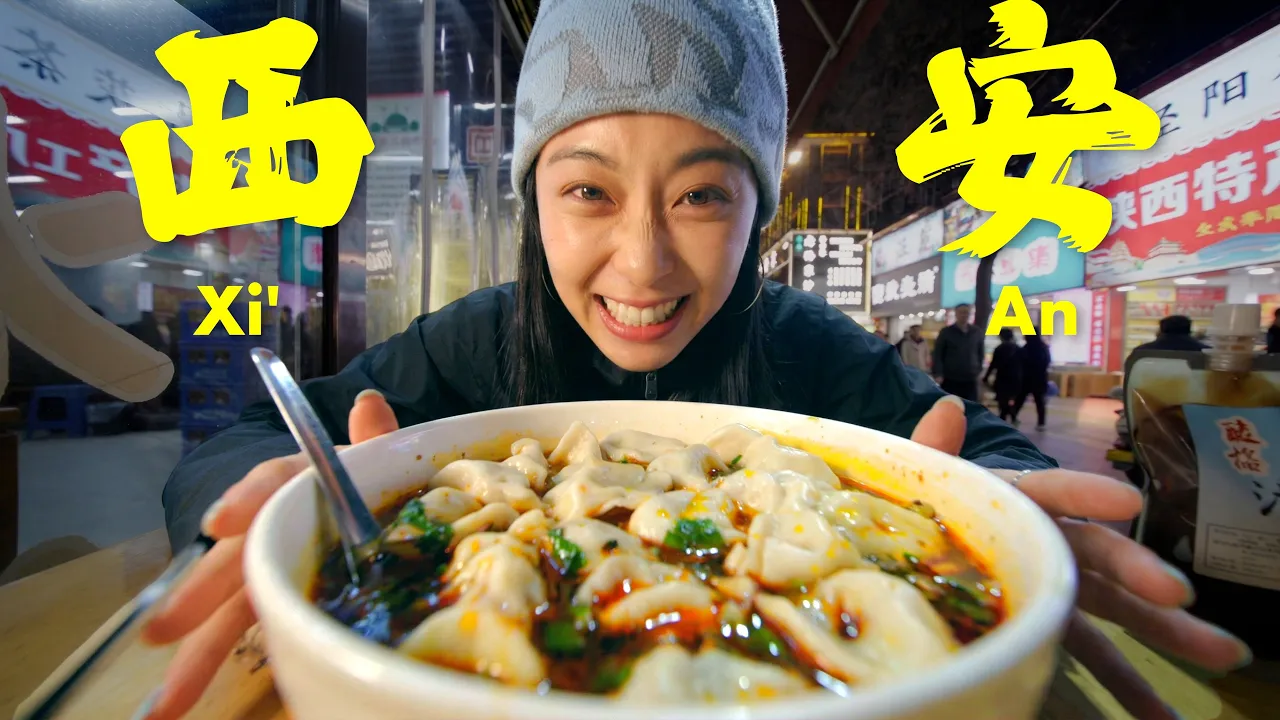
Doobydobap takes viewers on a food focused journey through Xi’an, the ancient capital, with a clear emphasis on street dining, iconic local dishes, and market eats. The vlog unfolds over multiple days, spotlighting bustling markets like Xiǎo Nán Mén early morning, noodle specialists offering biang biang noodles, and a variety of lamb and beef dishes that define Shaanxi cuisine. The host samples hand pulled and folded bread dishes, fresh soy milk, traditional Naz dish variations, and spicy snacks such as chili sticks, all while visiting famous sites like the Terracotta Army museum and the Emperor Qin Shihuang’s Mausoleum area. The narrative builds a sensory map of Xi’an through its food scene: sizzling wok tossed noodles, tender braised meats, chewy liang pi (cold skin noodles),handmade dumplings, hearty hand pies, and durable street snacks that fuel long days of sightseeing. Across days the traveler pairs meals with cultural stops, conveying tips on where to eat, how to order, and what
Description trimmed to travel voice with ads and non travel content removed, preserving original dish names and locations where possible. The text now reads as a traveler’s narrative that guides dining options around Xi’an and notes the day by day stops at markets, eateries, and sights. Paragraph breaks added roughly every 160 words to aid reading flow.
Day one introduces Biang Biang Mian and Yangrou Paomo at Jiangbian Street area, with other staples like liangcai and pear snow fungus soup. Day two covers morning market offerings such as doujiang, jiazi buns, zenggao, and spinach noodles, followed by a string of halal and street food stalls on Miaohou Street and Huimin Jie. Day three includes Yanbian pancake and shuai noodles, plus Qin Shi Huang Mausoleum visit, Liuxiang Mian, Xinjiang style nang, and Lao Li’s Dapanji. Day four begins with meat buns and tofu skin rolls at local suppliers near Small South Gate, moving into more brisk eats and snack items that round out the Xi’an food circuit.
Doobydobap lands in Canan to uncover 5000 years of Chinese history through its noodles, markets, and mosques. He highlights how Silk Road routes influenced local flavors, especially Muslim-influenced dishes near the Hi Quarter. The episode dives into Bang Bang noodles, Yangro Po Yangro Po, and lamb skewers, then expands into early-morning markets, spinach noodles, jiazi buns, and date tea. The day unfolds with dumplings, naan, and leangpi noodles, all seasoned with cumin, chili, and a chorus of textual sound effects and tactile detail. The journey is punctuated by visits to the Wild Goose Pagoda, Tong Dynasty relics, and a Great Mosque, ending with hearty northern classics like big plate chicken and spicy hot pot-inspired bowls. The traveler, named Doobydobap, chronicles encounters with street vendors, a tour guide named Miko, and locals who share stories of Ramadan, silk road exchanges, and family-run bakeries. The narration blends culinary technique with cultural memory, using vivid descriptions of textures, oils, and broths to convey how Xi’an’s food is a living museum. The closing notes reflect on the city’s night markets, dumplings, and the inspired energy of Canan, inviting viewers to return for more aromas and textures that define China’s ancient capital. Doobydobap signs off with notes from the Terracotta Army visit and a toast to the next adventure, Doo bear right before bedtime, signaling a continuing love affair with Xi’an’s flavors.
Doobydobap’s Xi’an adventure unfolds as a sensory immersion into the city’s ancient streets and vibrant food scene. The host frames the trip around eating like a local to truly understand Canan, Xi’an’s historic heart, where Silk Road echoes still flavor the plates. The journey begins with a reverent nod to the Terracotta Army and the city walls, then pivots into a food-forward exploration that stitches together street stalls, Muslim Quarter flavors, and halal specialties with historical context. The Bang Bang noodles at Pangbang street become a signature moment: wide, silky biang noodles bathed in chili oil, with quail eggs and a chorus of textures that feel both ancient and alive. The first day wanders from the noodle shop to mutton buns near the city gate, where the bread resembles a pita and soaks up lamb broth in a shrewd, hearty bind. A slow evening walk along the city walls leads to lantern-lit views of the Spring Festival, while the night market hums with mutton skewers, xinjī
Doobydobap samples Xi’an’s street-food soul, from Bang Bang noodles to Shansy Yangro Po and Muslim Quarter bites, weaving together history, Silk Road lore, and
Eating Through Xi’an’s Ancient Capital: Biang Noodles, Yangrou, and a
0:01 Get a local eSIM for instant connectivity before you land; Aerolo offers digital eSIMs in many countries and keeps your home number while using local data.
0:10 Bring WeChat Pay or AliPay ready; digital payments are the norm for street food, markets, and taxis.
0:20 Plan market visits at opening hours for breakfast bites, then return after dark for lantern views and late-night snacks.
00:03 Intro and terracotta context
03:02 Pangbang noodles explained
07:17 Outside the city gate meals: mutton buns
13:14 Lantern festival and city walls at night
14:41 Muslim Quarter overview and Tuanor skewers
27:05 Wild Goose Pagoda park and museum visit
31:10 Dumplings at a Muslim-street spot
38:34 Evening snacks: lamination breads and final bites
01:15 Intro and day 1 market bites at Xi’an street stalls
04:30 Scene at the day 1 highlights: biang biang mian and yang rou paomo
09:20 Day 2 morning market eats and halal street bites
12:45 Visit to Qin Shi Huang Mausoleum site and Liuxiang mian stop
16:00 Day 3 Xinjiang nang and Lao Li jia da pan ji tasting
中国上海china trip北京chinese street foodchinese street food market兵馬俑10-day china itinerary中国旅行xi'an中国旅行Vlogbeijing foodshanghai travelxi'an foodmuslim quarter中国の万里の長城chinese night marketwhat to eat in chinachina travel tips 2026bullet train chinaauthentic chinese foodchina itinerarybeijing street food上海旅行VlogludwigWhich dishes best showcase Xi’an’s flavor?
Biang biang noodles, yangrou paomo, lamb skewers, and big plate chicken are quintessential Xi’an flavors, each highlighting northern textures and Silk Road influences.
What’s the best way to navigate markets like the South Gate Morning Market?
Go early to catch the freshest bites, be prepared to point and share, and have small bills handy for quick purchases. Meat, bread, and local snacks sell out fast.