แหล่งที่มาต้นฉบับ
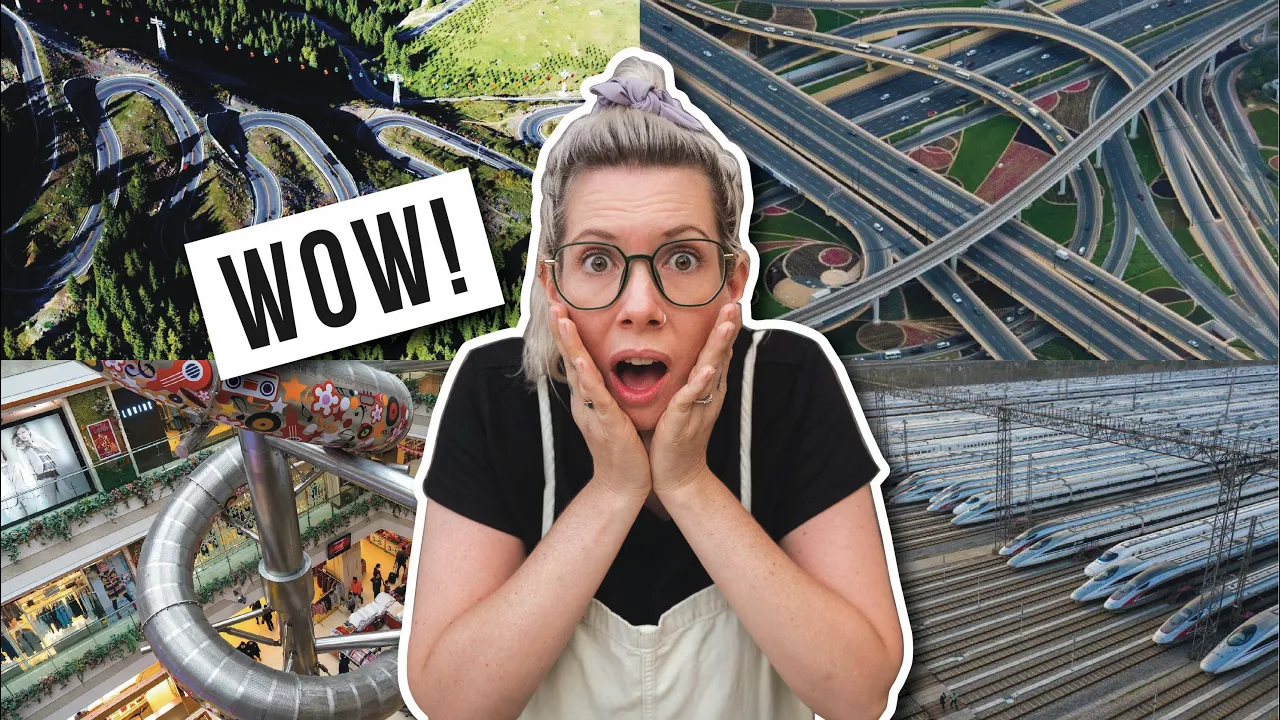
China's Top 10 Infrastructure - INSANE public transport projects
China's Public Transport: Rail & Travel
In this weeks video we have a look at some of the cool, crazy, and interesting ways to get around China. We have been living in China for over 5 years and every time we visit somewhere new we are always amazed by the infrastructure and ways to travel in China.
What is your favourite way to get...
In this week's video we have a look at some of the cool, crazy, and interesting ways to get around China. We have been living in China for over 5 years and every time we visit somewhere new we are always amazed by the infrastructure and ways to travel in China.
What is your favourite way to get around?
Explore China's incredible infrastructure! Witness the mind-blowing public transport systems Nico experienced during their five-year stay. From high-speed rails to innovative local transport, this video showcases the impressive ways to travel across China. Get ready to be amazed!
In this week's video we have a look at some of the cool, crazy, and interesting ways to get around China. We have been living in China for over 5 years and every time we visit somewhere new we are always amazed by the infrastructure and ways to travel in China.
What is your favourite way to get around?
Nico and Jack introduce a list of unusual or memorable ways to travel around China, drawing on places they have visited. They praise China's high-speed rail network and mention a line across the Tibetan Plateau, where oxygen masks are available. In Chongqing, they ride Metro Line 2, a monorail that crosses rivers and bridges and passes through a building; they say the ride can feel more like sightseeing than a regular commute. They discuss glass bridges and other glass structures, which Jack finds frightening, then compare outdoor escalators that help people reach hillside neighborhoods with larger escalators in natural areas that Nico thinks can alter the landscape. They recall a Chongqing elevator connecting two nearby streets with a 45-metre height difference. The couple debate wooden walkways in rural parks: Nico calls them unattractive, but says they can reduce erosion from crowded trails and make natural areas accessible. They also mention small electric vehicles popular in Beijing, trials of autonomous electric vehicles, cable cars in Chongqing that cross the river and pass through the city, and China's highways and mountain roads. Nico says traveling by car is her preferred way to see China and invites viewers to suggest their next road trip.
Nico and Jack compare unusual ways to get around China, from high-speed trains and Chongqing's monorail to glass bridges, outdoor escalators, elevators and long wooden walkways in natural areas. They describe the monorail on Chongqing Metro Line 2 crossing rivers and passing through a building, and recall an elevator linking two nearby streets with a 45-metre height difference. They discuss how escalators and walkways can make steep or rural places easier to access, while also changing the landscape. The couple mention small electric cars in Beijing, cable cars in Chongqing and China's mountain roads, which Nico says are her favorite way to see the country.
Nico and Jack talk through China's high-speed trains, Chongqing's monorail and elevator, glass bridges, outdoor escalators, park walkways and scenic roads.
China Transport Ideas: Chongqing Metro, Elevators and Scenic Roads
2:48 If you want a ride that feels different from an ordinary commute, Nico and Jack point to Chongqing Metro Line 2. They describe it as a monorail that travels through the mountainous city, with views over rivers and bridges.
3:29 Nico and Jack say Chongqing Metro Line 2 passes over rivers, under bridges and through a building. They describe this stretch as closer to a sightseeing ride than a typical underground commute.
4:51 Glass bridges, walkways and elevators can feel intense if you are afraid of heights. Jack says the glass structures make him nervous, while Nico notes that some visitors enjoy the added thrill.
6:33 Outdoor escalators can connect steep neighborhoods with metro stations, as Nico and Jack describe in Chongqing. They find them convenient, though Nico is less comfortable with large structures added to natural landscapes.
8:19 In Chongqing, Nico and Jack recall an elevator that connects two nearby streets separated by a 45-metre height difference. They say it saves a steep walk and show how vertical transport can work in a hilly city.
9:21 Nico says wooden walkways in rural parks can make popular nature areas easier to reach and help limit trail erosion when visitors cluster near towns. She also thinks the structures can detract from the landscape, so this is her personal view.
11:38 Nico and Jack recommend a Chongqing cable-car ride as a way to see the city from above. They recall that their route passed over the river and through the city streets.
12:21 Nico says she prefers seeing China by car and describes mountain roads winding through deserts, canyons and grasslands. The couple suggest asking viewers for ideas before choosing where to take their next road trip.
0:00 First impressions of China
1:26 High-speed trains
2:24 Chongqing's monorail
4:44 Glass bridges
6:31 Outdoor escalators
8:12 An urban elevator
9:21 Walkways in rural parks
10:55 Electric cars in Beijing
11:38 Cable cars in Chongqing
12:21 China's mountain roads
0:00 First impressions of China
1:26 High-speed trains
2:24 Chongqing's monorail
4:44 Glass bridges
6:31 Outdoor escalators
8:12 An urban elevator
9:21 Walkways in rural parks
10:55 Electric cars in Beijing
11:38 Cable cars in Chongqing
12:21 China's mountain roads
china projectstop 5china constructiontop 10top 10 infrastructurechinachinese infrastructuretransportpublic transport in chinarail transport in chinatravel in chinachina travelchina transportationchina infrastructure developmentcrazy ways to get aroundhow to travel chinachinas infrastructurechinas infrastructure projectschina's awesome infrastructurehigh speed rail chinahigh speed railinfrastructure development in chinaWhat is unusual about Chongqing Metro Line 2?
Nico and Jack describe it as a monorail that crosses rivers and bridges and passes through a building. They say parts of the ride feel like sightseeing.
What is the outdoor elevator in Chongqing like?
The couple recall an elevator connecting two nearby streets with a 45-metre height difference, saving people an uphill walk.
Why do some rural parks have long wooden walkways?
Nico says the walkways make popular nature areas easier to reach and can help limit erosion on crowded trails. She also thinks some are unattractive.
Which transport does Nico like for seeing China?
She says she prefers traveling by car and mentions China's mountain roads through deserts, canyons and grasslands.
What transport do the couple mention in Chongqing?
They discuss Metro Line 2, an elevator between streets and a cable car that crosses the river and passes through the city.