Fonte originale
I Ended Up in Hospital in Remote China
Unexpected Hospital Visit: A Family's China Adventure
Get 10% discount on China trips and 5% on other destinations when booking with Your Travel Nation. - Just mention our name!
✈️ Grab Our Google Map Travel Guides ✈️
📸 Take your photos to the next level 📸
👕 Flying the Nest Clothing 👕
Hi, we are Stephen, Jess, Hunter and baby Koa - an Australian...
Hi, we are Stephen, Jess, Hunter and baby Koa - an Australian family who have had quite the journey. After travelling the world as a couple in 2020 we had our very first baby, we then spent the following year self-converted a van before moving into it full-time to drive around Australia. Cut to 2023 we welcomed our second child Koa into the world before resuming full-time travel around the world.
0:00 Intro
In this thrilling travelogue, an Australian family's global adventure takes an unexpected turn in remote China. Their journey, filled with the excitement of exploring a new culture, is suddenly interrupted by a medical emergency. The family's resourcefulness and resilience shine through as they navigate an unfamiliar healthcare system, offering a unique and captivating perspective on travel's unpredictable nature. Their story is both heartwarming and suspenseful, highlighting the unexpected challenges and rewards of exploring the world.
Hi, we are Stephen, Jess, Hunter and baby Koa - an Australian family who have had quite the journey. After travelling the world as a couple in 2020 we had our very first baby, we then spent the following year self-converted a van before moving into it full-time to drive around Australia. Cut to 2023 we welcomed our second child Koa into the world before resuming full-time travel around the world.
0:00 Intro
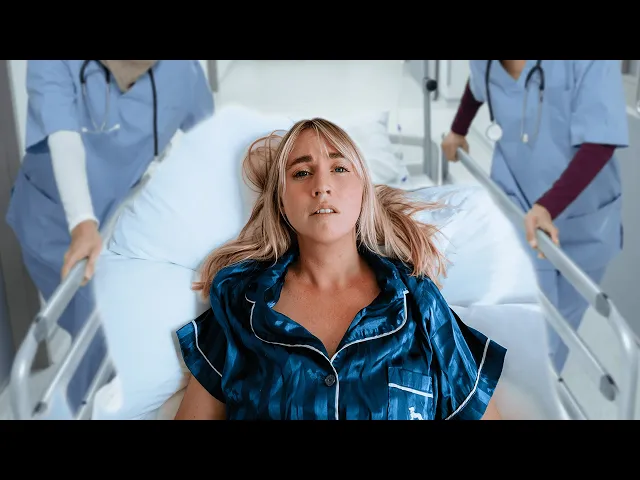
Jess describes waking around midnight with abdominal pain that grows worse over several hours, along with vomiting and difficulty urinating. At about 4 a.m. she asks Stephen to find help. A hotel groundskeeper who speaks English arranges a driver, and both men accompany her to a nearby hospital and translate. Jess says she had left without her passport, wallet or WeChat payment, and the driver paid for the visit. After an ultrasound, the doctor tells her she has kidney stones and gives her Chinese herbal medicine and an IV, which she says takes about two hours. She later returns to the hotel on the back of a scooter, still in her pajamas. After another painful spell, she sits in a hot shower and eventually passes a stone. The family then makes a long drive to a train station and continues by train toward the Avatar Mountains. Jess shares the story as a personal account, including her own guess that dehydration may have contributed; she does not present it as medical advice. In a later conversation, Stephen explains that he stayed with the children while the hotel staff helped Jess.
Jess recounts a night of severe abdominal pain while her family is staying in a remote part of China. Hotel staff help her reach a nearby hospital, where an ultrasound identifies kidney stones and she receives treatment. After returning to the hotel, she later passes a stone and continues the family’s long train journey. She describes the language, payment and support challenges from her personal experience.
Jess shares her overnight hospital visit in remote China and the family’s onward train journey.
A Family’s Overnight Hospital Visit in Remote China
4:17 Jess says she left in a rush without her passport, wallet or WeChat payment. Her story is a reminder to keep identification and a way to pay accessible when traveling, even when leaving a hotel unexpectedly.
3:04 When the hotel reception seemed empty, Stephen called rather than relying only on the front desk. A staff member answered, arranged a driver and accompanied Jess; this was the help available at their hotel, not a guaranteed service elsewhere.
5:04 Jess says the hospital staff could speak only Chinese, while the hotel groundskeeper translated for her. If language may be a barrier, keep a way to contact a trusted local helper; her account shows how useful that support was during this visit.
22:46 Stephen says they had trouble contacting people and figuring out how to call emergency services from their location. Before a remote stay, save local contacts and ask the accommodation how guests can reach help; their experience was specific to that trip.
0:00 Jess recounts a hospital visit
0:36 Severe pain begins overnight
2:54 Looking for help before dawn
4:56 Arriving at the hospital
5:50 Ultrasound and diagnosis
7:45 Receiving an IV
9:49 Returning to the hotel
11:43 Passing the kidney stone
12:17 Continuing the train journey
13:44 Jess reflects on the experience
17:09 Stephen shares his perspective
22:46 Discussing the challenges
0:00 Intro
travel vlogdaily travel vlogflying the nestchinachina travelchina hospitalmy visit to hospital in chinaremote hospitalchina tripchina holidaymedical overseasmedical chinaWhat happened to Jess in remote China?
She woke with worsening abdominal pain and vomiting, went to a nearby hospital, and says an ultrasound led the doctor to diagnose kidney stones.
Who helped Jess get to the hospital?
A hotel groundskeeper who spoke English arranged a driver, and both men accompanied her and helped translate.
How did Jess pay for the hospital visit?
Jess says she had no wallet or WeChat payment with her, so the driver paid and she reimbursed him later. She recalls the total for the visit and ride as about 50 Australian dollars.
What happened after Jess returned to the hotel?
She says the pain returned; after spending time in a hot shower, she urinated and believed the kidney stone had passed.