原文を読む
Tibet’s Countryside Is Changing — Here’s What I Saw...
Tibet Countryside Exploration: Lhasa to Remote Villages & Nomadic Life
Exploring Tibet’s countryside from Lhasa to remote villages. This Tibet travel vlog shows Tibetan culture, nomads, food, and daily life in the outskirts of Lhasa Tibet. From prayer flag mountains to hidden meditation caves, and from nomad yak herders to home-cooked Tibetan meals — we spent the day...
Exploring Tibet’s countryside from Lhasa to remote villages. This Tibet travel vlog shows Tibetan culture, nomads, food, and daily life in the outskirts of Lhasa Tibet. From prayer flag mountains to hidden meditation caves, and from nomad yak herders to home-cooked Tibetan meals — we spent the day deep in the countryside of Tibet, seeing places most tourists never get to visit. With our local guide, we explored remote villages, met families in their homes, learned about traditions, and witnessed how life here is slowly changing with new roads, electricity, and infrastructure. This is Tibet like you’ve never seen it before.
Embark on a journey into the heart of Tibet's changing countryside, venturing beyond Lhasa to discover remote villages and authentic cultural experiences. This vlog captures the essence of Tibetan life, from the vibrant prayer flags adorning mountains to the serene meditation caves. Witness the daily routines of nomadic yak herders and savor traditional home-cooked meals, gaining a unique perspective on a region undergoing transformation with new infrastructure. It's a rare glimpse into a side of Tibet rarely seen by tourists.
Exploring Tibet’s countryside from Lhasa to remote villages. This Tibet travel vlog shows Tibetan culture, nomads, food, and daily life in the outskirts of Lhasa Tibet. From prayer flag mountains to hidden meditation caves, and from nomad yak herders to home-cooked Tibetan meals — we spent the day deep in the countryside of Tibet, seeing places most tourists never get to visit. With our local guide, we explored remote villages, met families in their homes, learned about traditions, and witnessed how life here is slowly changing with new roads, electricity, and infrastructure. This is Tibet like you’ve never seen it before.
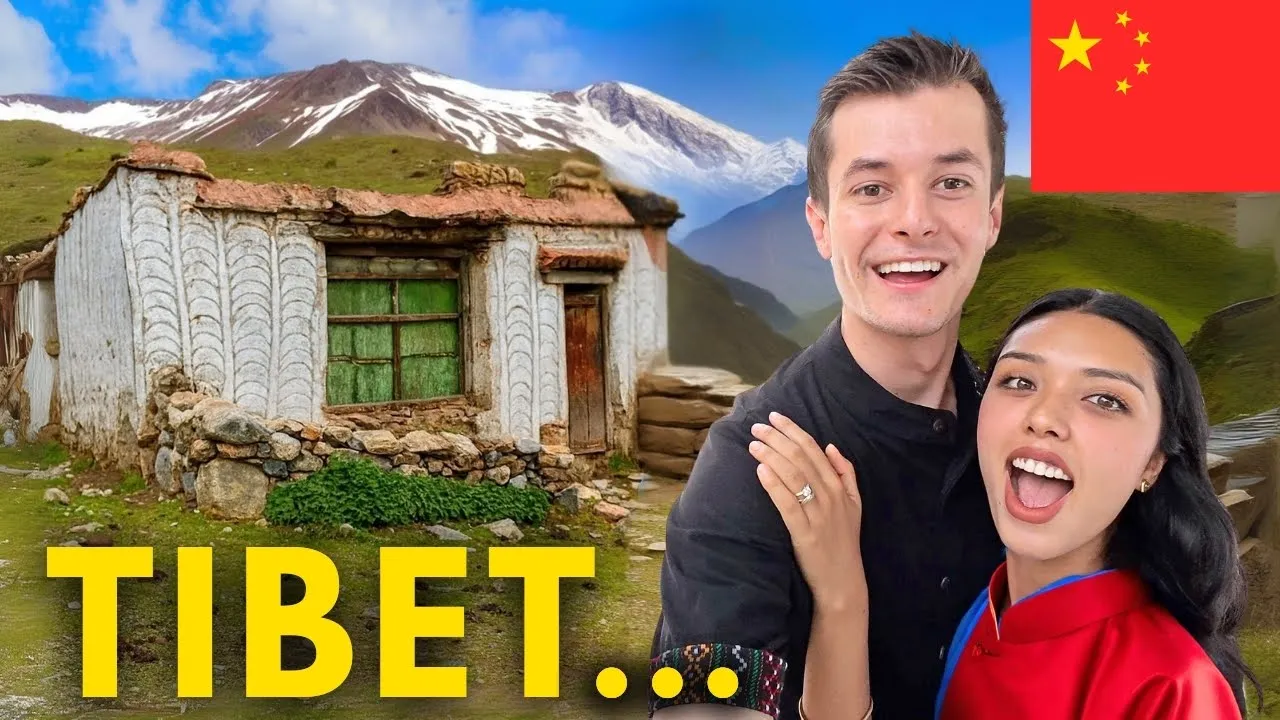
In this immersive travel vlog, Jack and Sophia Torr venture deep into the Tibetan countryside, offering a rare glimpse into a region undergoing transformation. Their journey, guided by a local expert, takes them beyond the typical tourist paths of Lhasa, revealing authentic Tibetan culture, daily life, and breathtaking landscapes.
The experience begins with an exploration of the "Prayer Flag Pass," a significant site where travelers ascend to hang prayer flags, symbolizing a ladder to heaven and a wish for good luck, prosperity, and a better afterlife. The couple observes the dedication of Buddhist pilgrims as they carry and sing their way up the slippery pass, a practice that deeply resonates with them, especially Sophia, who notes she's never witnessed people actively putting up flags before.
The narrative then shifts to the serene Draa Meditation Caves, perched at a high altitude of 4,300 meters. These caves, traditionally used by Tibet's greatest Buddhist masters for meditation and study, offer a profound sense of peace. The Torr's learn about the significance of the prayer wheels and the traditional rock and stone architecture, contrasting it with the newly developed pathways that enhance accessibility for visitors. They also encounter unique local crafts, like slingshots made from yak hair, showcasing the ingenuity of the Tibetan people.
A particularly striking segment of the vlog captures an unexpected visit to the home of ex-nomads who have recently built houses. Here, Jack and Sophia witness firsthand the resourcefulness of the locals, who utilize yak dung for cooking due to the scarcity of trees. They observe the daily routines, from herding yaks to preparing meals, and gain insight into the nutritional value of yak meat, a local delicacy. The warmth and hospitality of the family, despite the language barrier, leave a lasting impression.
The journey continues to a local village where they are welcomed into another home for lunch. They savor traditional Tibetan cuisine, including potatoes, rice, noodles, and yak meat, alongside local bread. The experience is enriched by observing the host's prayer room and understanding the daily rituals of water offerings. The vlog also touches upon the practicalities of travel, with a segment on using eSIMs for data, highlighting how technology integrates with modern travel experiences.
Throughout the video, Jack and Sophia express their gratitude for the authentic encounters, emphasizing how these off-the-beaten-path experiences offer a deeper understanding of Tibetan life. They acknowledge the subtle changes occurring in the region due to development, such as new roads and electricity, while celebrating the enduring traditions and the resilience of the Tibetan people. The vlog concludes with a reflection on the unique beauty and cultural richness of Tibet, encouraging viewers to explore its countryside.
Join Jack and Sophia Torr on an extraordinary journey into the heart of Tibet's countryside, far from the usual tourist trails. This vlog offers an intimate look at Tibetan culture, from the spiritual significance of prayer flags at the Prayer Flag Pass to the ancient wisdom found within the Draa Meditation Caves. Witness the daily lives of nomadic families, their resourcefulness in using yak dung for fuel, and the unique nutritional value of yak meat. Experience the warmth of local hospitality as they share meals and insights into traditions, while also observing the subtle impacts of modernization on this remote region. It's an unfiltered exploration of Tibet, revealing its enduring spirit and changing landscape.
Jack and Sophia explore Tibet's countryside, visiting prayer flag passes, meditation caves, and local homes. They witness unique traditions, nomadic life, and taste authentic Tibetan food, offering a rare glimpse into a changing region.
Tibet Countryside Exploration: Culture, Nomads & Meditation Caves
1:33 Understand the meaning of prayer flags as ladders to heaven and symbols of good luck, prosperity, and a better afterlife for Buddhist pilgrims.
2:52 Observe the practice of stacking stones as a symbol of balance, a common element in Buddhist traditions found in Tibet.
5:21 Learn how yaks are released into the mountains during the day for grazing and safely penned at night to protect them from wild animals.
7:08 Discover the Draa Meditation Caves, a secluded area historically used by Buddhist masters for deep meditation, offering a peaceful retreat.
8:04 Engage with prayer wheels on stupas, a practice for good luck and prosperity, often done before entering monasteries.
8:42 See unique local crafts like slingshots made from yak hair, demonstrating traditional Tibetan ingenuity.
11:38 Experience the respectful tradition of removing hats before entering sacred spaces like meditation caves.
13:29 Learn about local uses of plants, such as making tea from flower petals and incense from plant matter.
16:20 Understand the sustainable practice of using dried yak dung for cooking in areas with scarce firewood.
17:36 Observe the preparation of butter tea, a staple in Tibetan households, made from yak milk.
21:41 Note the traditional Tibetan house structure, often a compound with a wall around the main living area.
22:34 Experience the hospitality of local homes, often starting with tea and snacks before the main meal.
22:41 Understand the significance of prayer rooms in Tibetan homes, maintained regardless of wealth, and daily water offerings.
23:10 Observe the unique design of traditional bathrooms located outside the main house, requiring manual water flushing.
0:13 View of Lhasa city
1:12 Prayer Flag Pass view
2:33 Burning incense for blessings
4:56 Journey to monastery
5:16 Yaks in the mountains
6:22 Draa Meditation Caves view
7:08 Significance of meditation caves
8:04 Stupas and prayer wheels
9:05 New pathway development
11:33 Entering meditation caves
13:29 Plant used for incense and tea
15:53 Nomad homes and yaks
16:54 Inside a local home
20:04 Yak meat nutrition
21:09 Village life and new infrastructure
21:54 Arriving at local house for lunch
23:46 Tour of a local home
24:34 Trying local food
25:08 Reflections on authentic experiences
チベットtibet traveltibet vlogラサlhasa tibettibet countrysidetibetan culturetibetan foodtibetan nomadsnomad lifeyak herdersprayer flagsmeditation cavesdraa meditation cavestibetan monasterytibetan villagetibetan homeauthentic tibettravel china中国旅行中国旅行Vloghimalayan travelhimalayastibetan traditionstibetan lifestyletibetan breadtibetan prayer roomrural tibetoff the beaten path tibetjacksophiatorr藏族What do the ladders along the drive signify?
They signify a ladder to heaven and are used for good luck, with Buddhist pilgrims drawing them to express their intention of reaching heaven.
What is the significance of stacking stones?
Stacking stones represents balance, a concept common in Buddhism, and for locals, it's a way to bring good luck, prosperity, and ensure a good afterlife.
Why do people burn incense near prayer flags?
They burn incense to bless the prayer flags in the smoke, which is then believed to carry the blessings upwards.
What is the purpose of the large bundles of prayer flags found on the ground?
These are prayer flags that have fallen after being hung. They are collected, and sometimes the fabric is used to make clay.
Why do nomads use yak dung for cooking?
There are no trees in their area, so yak dung is the only available fuel source for cooking and heating.
Why is yak meat so expensive and nutritious in Tibet?
The high-altitude grass the yaks eat is considered very pure, and they drink water directly from the Himalayas, making the meat rich in nutrients.
What is the significance of having a prayer room in every Tibetan home?
Regardless of their wealth, Tibetans maintain a prayer room as a fundamental part of their home, performing daily offerings.
What is the purpose of the mastiff dogs at night?
The mastiff dogs are vital for protection; if they bark at night, it signals the presence of wolves or other wild animals nearby.