英語の原文を読む
How I make MONEY in China
China Factory Mapping: Shandong Industry and Sourcing Networks
SUPPORT ME HERE👇
All Videos/Livestreams Produced by JERRY GOODE.
SUPPORT ME HERE👇
All Videos/Livestreams Produced by JERRY GOODE.
China with Jerry describes how he moved from teaching English, running coffee shops and video work into product sourcing and supply-chain services. He explains his idea of factory mapping: products are concentrated in particular provinces and cities, where related suppliers and expertise form local ecosystems. He identifies Shandong as the province where he is filming and gives large machinery as an example. Jerry says he researched industrial clusters, then looked at Alibaba for gaps. He describes serving South African customers, later receiving queries from New Zealand, the United States and Australia, and says his company handles sourcing, product development, shipping and packing. He presents these as his personal business story; the video does not verify his business claims or identify the city where he is walking.
SUPPORT ME HERE👇
All Videos/Livestreams Produced by JERRY GOODE.
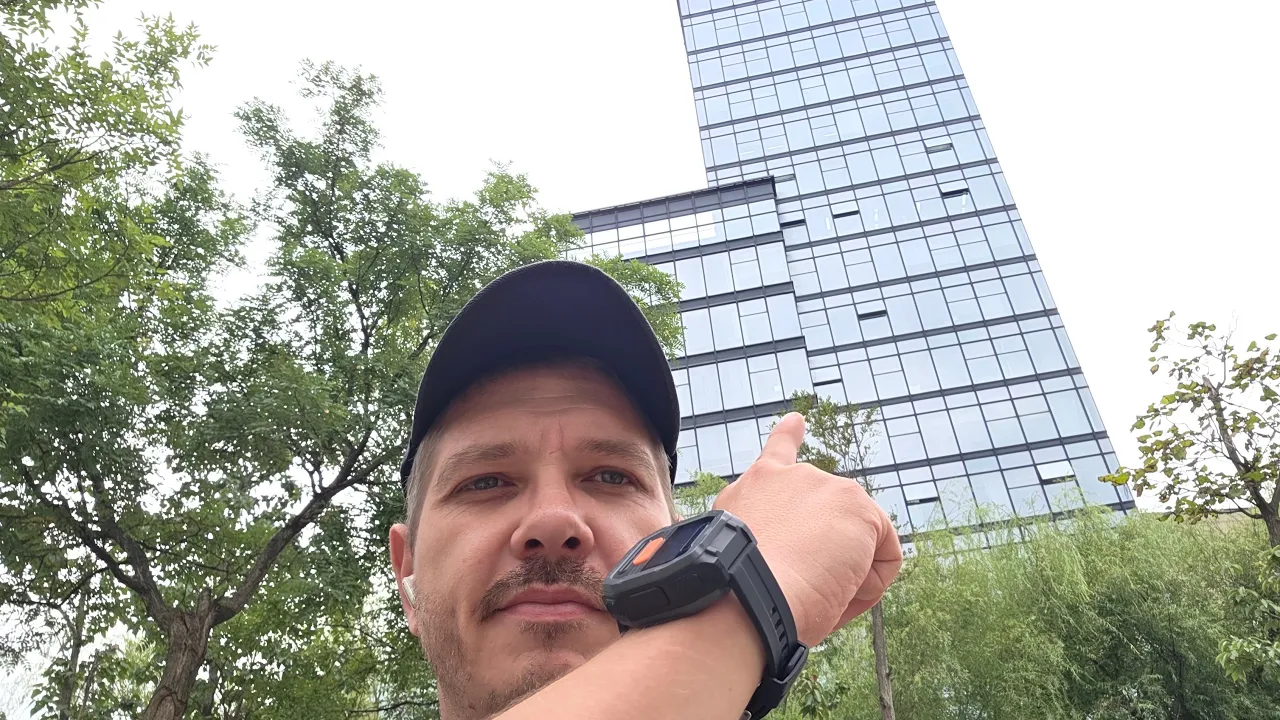
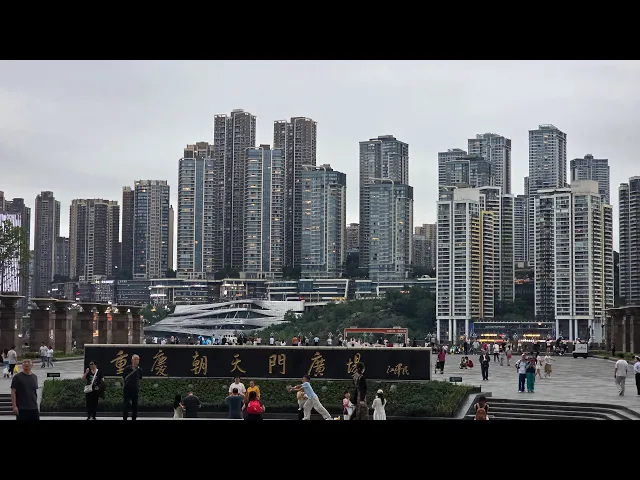
China with Jerry opens a livestream while walking beside a waterway. The captions render the local place names inconsistently, so the city is not identified. He says he wants to explain how he makes money in China. He says he has lived in the country for 11 years, has a wife and three children, and previously tried coffee shops, worked as an English teacher and did video work. He says he later researched China's manufacturing system and calls his approach factory mapping: different products are concentrated in particular provinces and cities, where local workers, machinery and suppliers build expertise. He names Shandong as the province where he is and uses large machinery, trucks and excavators as examples. He describes supplier ecosystems where parts, delivery, management and training are connected, and says he looked at Alibaba to identify gaps after studying those networks. Jerry says he began a business serving South African customers buying from China and later received queries from New Zealand, the United States and Australia. He describes offering sourcing, supply-chain coordination, product development, shipping and packing services. He names the business Go Safa, spells the name aloud, and says he is building related services for other markets. He says more than 38 people work for him, describes having four offices in a building, and says he plans to open offices in other countries. He also says the business started without investment. These are the creator's statements about his own work; the video does not independently verify the company, its scale or its plans.
China with Jerry describes how he moved from teaching English, running coffee shops and video work into product sourcing and supply-chain services. He explains his idea of factory mapping: products are concentrated in particular provinces and cities, where related suppliers and expertise form local ecosystems. He identifies Shandong as the province where he is filming and gives large machinery as an example. Jerry says he researched industrial clusters, then looked at Alibaba for gaps. He describes serving South African customers, later receiving queries from New Zealand, the United States and Australia, and says his company handles sourcing, product development, shipping and packing. He presents these as his personal business story; the video does not verify his business claims or identify the city where he is walking.
China with Jerry explains his factory-mapping approach to sourcing products and building supply-chain services in China.
China Factory Mapping: Shandong Industry and Sourcing Networks
6:29 Jerry uses factory mapping to describe how products are concentrated in particular provinces and cities. When researching a product, he suggests looking at the places and industrial clusters associated with it.
9:27 Jerry describes supplier ecosystems that connect parts, delivery, management and training. In his account, checking how these pieces fit together gives a broader view than looking at one factory alone.
10:25 After researching manufacturing clusters, Jerry says he looked at Alibaba to identify gaps. His example combines online research with what he learned about factories and supplier networks in China.
0:05 Jerry starts a livestream walk
1:26 Introducing his income story
4:26 Explaining how he makes money
5:53 Earlier work and business attempts
6:29 Defining factory mapping
8:05 Shandong machinery industries
9:27 Describing supplier ecosystems
10:25 Researching Alibaba for gaps
12:39 Explaining his supply-chain services
19:41 Describing a zero-investment start
serpentzalaowhy86danieldumbrillbarretliving in china youtubenathan richChina factory mappingChina product sourcingShandong manufacturingChina supply chainfactory supplier ecosystemsremote buying from ChinaWhat does Jerry mean by factory mapping?
He describes products as being concentrated in particular provinces and cities, where factories and related expertise develop around them.
What earlier work does Jerry mention?
He says he tried running coffee shops, worked as an English teacher and did video work before focusing on sourcing and supply-chain services.
Which province does Jerry name?
He names Shandong as the province where he is and discusses its heavy-equipment and machinery industries.
What does he say his company does?
Jerry describes sourcing, supply-chain coordination, product development, shipping and packing services. These are his statements about his own business.
Which overseas customers does he mention?
He says he began serving South African customers and later received queries from New Zealand, the United States and Australia.