原文を読む
Cliff-hanging coffins of Ancient China | Wuxi, Chongqing
Ancient Cliff Coffins of Wuxi, Chongqing: A Journey into Pu Culture
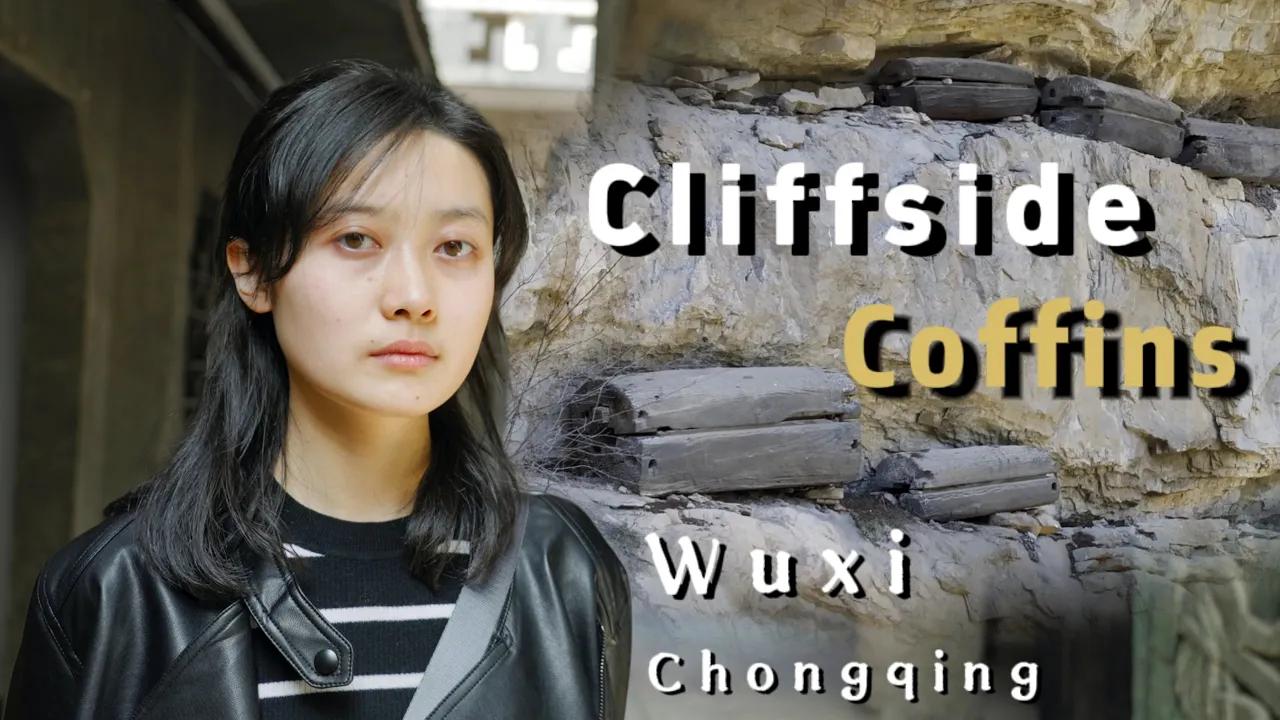
In this episode, we headed to Wuxi county in chongqing for the hanging coffins high up in the cliffs. Why would ancient people place coffins there over 2000 thousand years ago? And how they made it given the steep and crumbly terrain. All these are still mysterious now. Let’s explore this journey of...
In this episode, we headed to Wuxi county in chongqing for the hanging coffins high up in the cliffs. Why would ancient people place coffins there over 2000 thousand years ago? And how they made it given the steep and crumbly terrain. All these are still mysterious now. Let’s explore this journey of learning their intention and methods to do it. And how this hanging coffin reflects pu people’s beliefs towards death.
Embark on a captivating journey to Wuxi county in Chongqing, China, unraveling the enigma of ancient cliff-hanging coffins. Discover the methods and beliefs behind this 2000-year-old tradition. Explore the steep, challenging terrain and learn about the Pu people's unique perspective on death and the afterlife. This documentary delves into the mysteries surrounding these ancient burial practices, offering a glimpse into a fascinating chapter of Chinese history.
In this episode, we headed to Wuxi county in chongqing for the hanging coffins high up in the cliffs. Why would ancient people place coffins there over 2000 thousand years ago? And how they made it given the steep and crumbly terrain. All these are still mysterious now. Let’s explore this journey of learning their intention and methods to do it. And how this hanging coffin reflects pu people’s beliefs towards death.
This video follows Honglin Li's exploration of the ancient cliffside coffins in Wuxi County, Chongqing, China. These unique burial sites, dating back over 2,000 years, are a testament to the Pu people's beliefs and customs.
The journey takes viewers through winding valleys to the Jingzhuba area, where the coffins are most concentrated. Honglin Li describes the dramatic landscape, emphasizing the height and steepness of the cliffs where the coffins are nestled. He highlights the sheer scale of the cliffs and the difficulty in accessing the coffins.
The video details the construction of the coffins themselves, noting their size, material (solid wood), and age. The coffins are described as being meticulously arranged and crafted with primitive tools. The narrative also explains the significance of the coffins within the context of Pu people's beliefs, emphasizing their view of mountains as a stairway to heaven and the coffins as a bridge to the afterlife.
The exploration extends to a discussion of the Pu people themselves, their history as an ancient tribe, and their connection to the Yi ethnic minority. The video delves into the beliefs surrounding death and the soul, highlighting the importance of ensuring the soul's journey to its heavenly destination. The methods used to place the coffins are explored, with several theories presented, ranging from manual labor and scaffolding to using natural river levels.
The video concludes with a reflection on the Pu people's legacy, emphasizing their connection to the land and the enduring mystery surrounding their burial practices. Honglin Li's personal observations and reactions throughout the journey add a layer of authenticity and engagement, enriching the viewer's understanding of this fascinating aspect of Chinese history and culture.
Journey to the enigmatic cliffside coffins of Wuxi County, Chongqing, with Honglin Li! Explore the 2,000-year-old mystery of the Pu people's unique burial practices. Discover how these ancient rituals reflect their beliefs about the afterlife and their connection to the mountains as a stairway to heaven. A captivating blend of history, culture, and breathtaking scenery awaits!
Honglin Li explores the mysterious cliffside coffins of Wuxi, Chongqing, uncovering ancient burial rituals and beliefs. A breathtaking journey into China's rich past.
Ancient China's Cliff Coffins: Wuxi's Pu People Burial Rituals
1:29 Wuxi County in Chongqing is known for its salt production, unique fish dishes, and the mysterious hanging coffins. Plan a visit to experience its rich history and culture.
2:05 The hanging coffins are surprisingly close and accessible, offering a unique perspective on ancient burial practices. Be prepared for a challenging but rewarding hike.
3:29 Explore the Daning River, a tributary of the Yangtze River, and learn about its role in the history and culture of the region. Consider a boat trip for a different perspective.
5:15 Understand the Pu people's beliefs about the afterlife and their connection to the mountains. Research their history and customs to deepen your appreciation for the site.
7:28 Learn about the archaeological methods used to retrieve and study the coffins. Visit local museums to see artifacts and learn more about the Pu people.
10:57 Consider the practical and spiritual reasons behind the cliff burials. Reflect on the ingenuity and beliefs of the ancient Pu people.
12:23 Explore the various theories about how the coffins were placed on the cliffs. Consider the challenges and skills involved in such a feat.
13:35 Learn about the landscape's influence on the Pu people's culture and burial practices. Appreciate the connection between the people and their environment.
14:43 Walk the ancient salt transport road and imagine the lives of the people who used it. Learn about the economic importance of salt in the region.
0:40 Journey begins in Western China
1:29 Arrival at Wuxi County
2:05 First sight of hanging coffins
3:29 Walking along Daning River
4:28 Coffins of the Pu people
5:15 Beliefs about the afterlife
6:28 Archaeological findings
7:28 Coffin retrieval methods
9:14 Archeologists' discovery
10:57 Reasons for cliff burials
11:54 Unanswered questions
12:23 Speculative techniques
13:35 Additional theories
14:43 Salt transport road
15:31 Wuxian country history
0:00 Intro
1:29 Wuxi county, start of this journey
2:01 First see of hanging coffins
5:15 What's hanging coffin for?
9:15 Inside of coffin
11:50 How the PU people put the coffins up there?
15:36 Outro
#china#explorechina#discoverchina#ancientchina#documentary#realchina#unseenchina#chongqing#hangingcoffins#cliffsidecoffins#vanlife#littlechineseeverywhere#little#chinese#everywhere#wuxi#hanging#coffins#beliefvanishHow did they get the coffins up there?
Nobody really knows for sure. Some say they used trees, scaffolding, or even the river. It's a mystery!
Why did the Pu people bury their dead in the cliffs?
To protect them from enemies and animals, and because they believed the mountains were a stairway to heaven.
What kind of wood were the coffins made from?
They were made from namu, a very expensive type of wood used for temples and palaces.
What was found inside the coffins?
Bones, burial articles, and sometimes even bronze swords and bone-carved belt buckles.
How old are the coffins?
Over 2,000 years old, some dating back to the Western Han Dynasty.