原文を読む
Staying In A Small Chinese Village with Local Farmers | the Great Wall
Vanlife Camping in Chinese Village Near Great Wall
Experience rural Chinese life near the Great Wall. Connect with local farmers and discover the charm of village living.
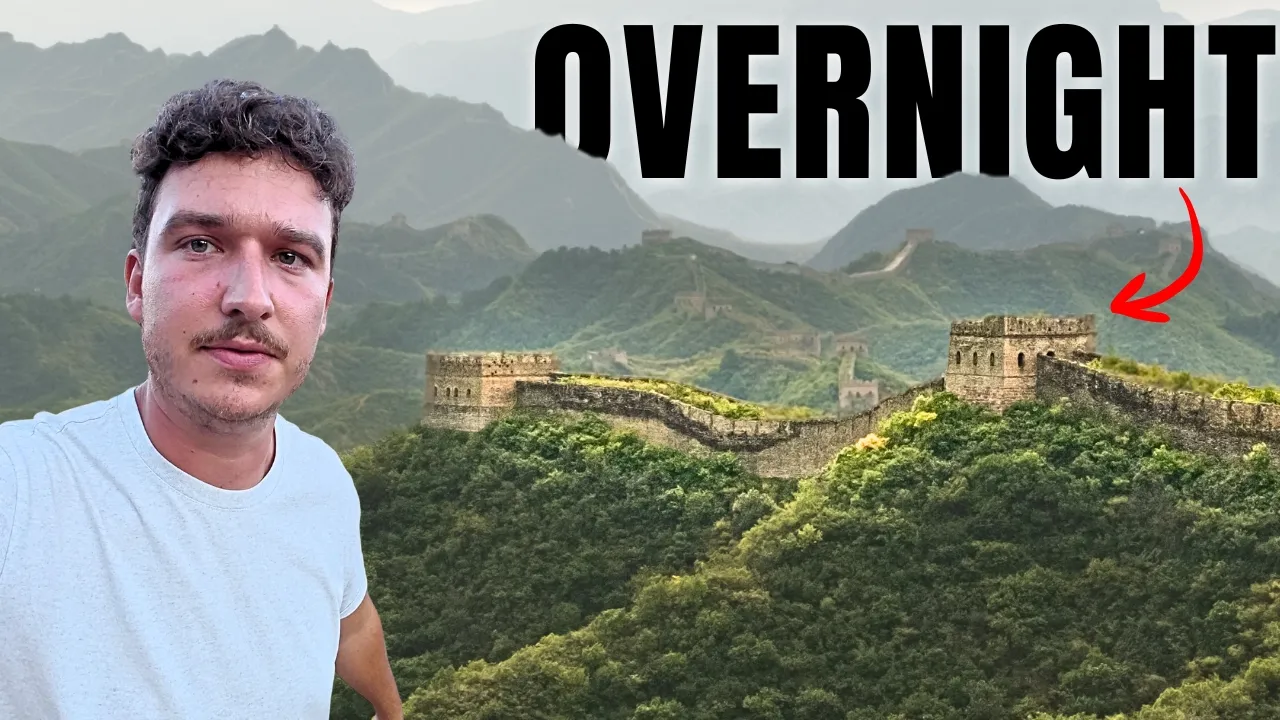
Staying In A Small Chinese Village with Local Farmers | the Great Wall. This is a vanlife, camping, vlog. We are staying in a small Chinese village with local farmers. We get to experience their daily lives and share meals with them. It's a very peaceful and authentic experience, living close to the Great Wall. We are camping and vlogging our way through this incredible journey.
Embark on an unforgettable journey to a hidden gem in China! This video invites you to experience the authentic life of local farmers near the Great Wall. Witness their daily routines, share meals, and immerse yourself in the tranquility of a small village. Discover the simple yet profound joys of rural living and connect with the heart of Chinese culture. A truly unique adventure awaits!
Staying In A Small Chinese Village with Local Farmers | the Great Wall. This is a vanlife, camping, vlog. We are staying in a small Chinese village with local farmers. We get to experience their daily lives and share meals with them. It's a very peaceful and authentic experience, living close to the Great Wall. We are camping and vlogging our way through this incredible journey.
This travel vlog takes us on an incredible journey through China, focusing on the monumental Great Wall and the authentic village life surrounding it. RyanTwomey, our intrepid traveler, begins by introducing the sheer scale and historical depth of China, from its futuristic cities to its ancient wonders. The Great Wall, a structure spanning over 13,000 miles, is presented not just as a historical relic but as a testament to grand ambition, much like China's modern metropolises.
The adventure kicks off in Beijing, the nation's capital, where Ryan notes the unique aspect of China operating on a single time zone. The bustling energy of the city is palpable, with a vibrant food market offering a sensory overload of sights and smells. Navigating these markets, Ryan highlights the challenge and excitement of trying new foods without English translations, relying on visual cues and embracing the unknown.
The core of the experience unfolds as Ryan ascends a remote section of the Great Wall. The sheer number of stairs and the breathtaking views are emphasized, offering a profound sense of accomplishment. The historical significance is further explored with details about its construction, including the surprising use of sticky rice and lemon in the mortar. Ryan delves into the defensive strategies employed, from steep, narrow stairs to watchtowers designed to confuse attackers, painting a vivid picture of its military past.
A significant part of the journey involves staying with local farmers in a small village near the Great Wall. This immersion into rural life provides a peaceful contrast to the grandeur of the wall. The experience includes sharing meals and learning to make traditional dumplings, offering a genuine taste of local hospitality and culture. This authentic interaction underscores the descriptive elements of the vlog, showcasing a more intimate side of China.
The exploration continues with a visit to a less-traveled, untouched section of the Great Wall, known as the Panlong or Coiling Dragon section. Here, nature is reclaiming the ancient structure, with plants growing over the ruins, adding to its mystique and the local legend of a dragon regaining its scales. The raw, dilapidated state of this section offers a different perspective compared to the restored Ming Dynasty portions, revealing the passage of time and the elements.
Throughout the journey, Ryan shares personal insights, including a notable fear of spiders encountered along the wall. The vlog also touches upon cultural nuances, such as the practice of slurping food as a sign of respect, which is a distinct contrast to Western dining etiquette. The overall narrative is one of discovery, awe, and a deep appreciation for the rich history, stunning landscapes, and warm hospitality encountered in China, far exceeding initial expectations.
Embark on an epic journey with RyanTwomey to China, exploring the awe-inspiring Great Wall and immersing in the tranquil life of local farmers. This vlog captures the colossal scale of the Wall, from its historical significance to its modern-day ambition, contrasting ancient fortifications with futuristic cities. Experience the vibrant pulse of Beijing, navigate bustling markets, and savor authentic local cuisine. Ascend remote sections of the Wall, uncovering ingenious defensive tactics and surprising construction materials like sticky rice mortar. Discover the charm of rural village life, share meals with welcoming farmers, and even try your hand at making traditional dumplings. This adventure offers a profound look at China's rich heritage and warm hospitality.
Explore China's Great Wall and rural villages with RyanTwomey. Experience ancient history, local culture, delicious food, and stunning landscapes, exceeding all expectations.
China Great Wall & Village Life: Vanlife Camping Vlog
2:39 When exploring food markets in China, be prepared for a lack of English translations. Embrace the adventure of trying new foods based on appearance alone.
5:36 The mortar used in some sections of the Great Wall was a mixture of sticky rice and lemon, strengthening the bricks over centuries.
6:43 The steep and narrow design of the Great Wall's stairs was a strategic defense mechanism, allowing one soldier to hold off many attackers.
7:07 Watchtowers along the Great Wall had varied interior designs to confuse enemy soldiers attempting to navigate through them.
10:07 Participating in local activities like making dumplings with hosts offers a deeply authentic cultural experience.
15:25 Be aware of cultural differences in dining, such as loud slurping and chewing with an open mouth, which are signs of respect in China.
16:23 Visiting less-restored sections of the Great Wall, like the Panlong section, offers a unique perspective on nature reclaiming historical sites.
17:46 Distinguish between different dynasties' construction on the Great Wall by observing brick colors; redder bricks often indicate older Ming Dynasty construction.
19:14 The strength of Great Wall bricks was enhanced by using materials like lime, sticky rice, and egg whites in the mortar.
23:10 Historically, local villagers often repurposed fallen Great Wall bricks and stones for their own constructions, a practice now regulated.
0:39 Introduction to the Great Wall
1:15 Climbing the Great Wall
1:51 Exploring Beijing
2:23 Beijing Food Market
4:00 Remote section of the Great Wall
5:24 Original wall construction details
6:10 Defensive features of the wall
7:43 Myth about seeing wall from space
9:02 Symbolism of animals on buildings
10:03 Learning to make dumplings
15:52 Less hiked section of the Great Wall
16:23 Panlong section of the Great Wall
17:46 Bricks from Ming Dynasty
20:58 Different dynasties of the wall
23:07 Fallen bricks used by locals
24:46 Reflections on China trip
vanlifecampingvlog中国旅行万里の長城vanlife chinavillage lifelocal farmersauthentic experiencecamping vlog北京dumpling making中国の農村What was the mortar for the Great Wall made of?
Surprisingly, it was made with sticky rice and lemon, which helped strengthen the bricks over time!
Can you really see the Great Wall from space?
No, that's a common myth! You can't see it from space with the naked eye; photos usually involve powerful telephoto lenses.
What's the deal with eating in China?
It's a cultural thing! People slurp their food loudly and chew with their mouths open as a sign of respect, which is quite different from what we're used to.
What was the most surprising construction detail about the Great Wall?
The use of sticky rice and lemon in the mortar was pretty wild, and the strategic design of steep stairs and confusing watchtowers for defense was fascinating.
What was it like staying with local farmers?
It was a peaceful and authentic experience, getting to share meals and learn local traditions like making dumplings. It really gave a different perspective than just visiting the major sites.