查看英文原文(English)
China Built ANOTHER Insane Tech Island
Shenzhen Tencent Island Campus and Qianhai Development
I visited Tencent Island in Shenzhen, one of China's most impressive technology hubs. Home to one of the world's biggest tech companies, this futuristic development offers a glimpse into how China is shaping the cities and workplaces of the future. From its incredible architecture to its vision for...
I visited Tencent Island in Shenzhen, one of China's most impressive technology hubs. Home to one of the world's biggest tech companies, this futuristic development offers a glimpse into how China is shaping the cities and workplaces of the future. From its incredible architecture to its vision for innovation, here's a look inside one of Shenzhen's most fascinating places!
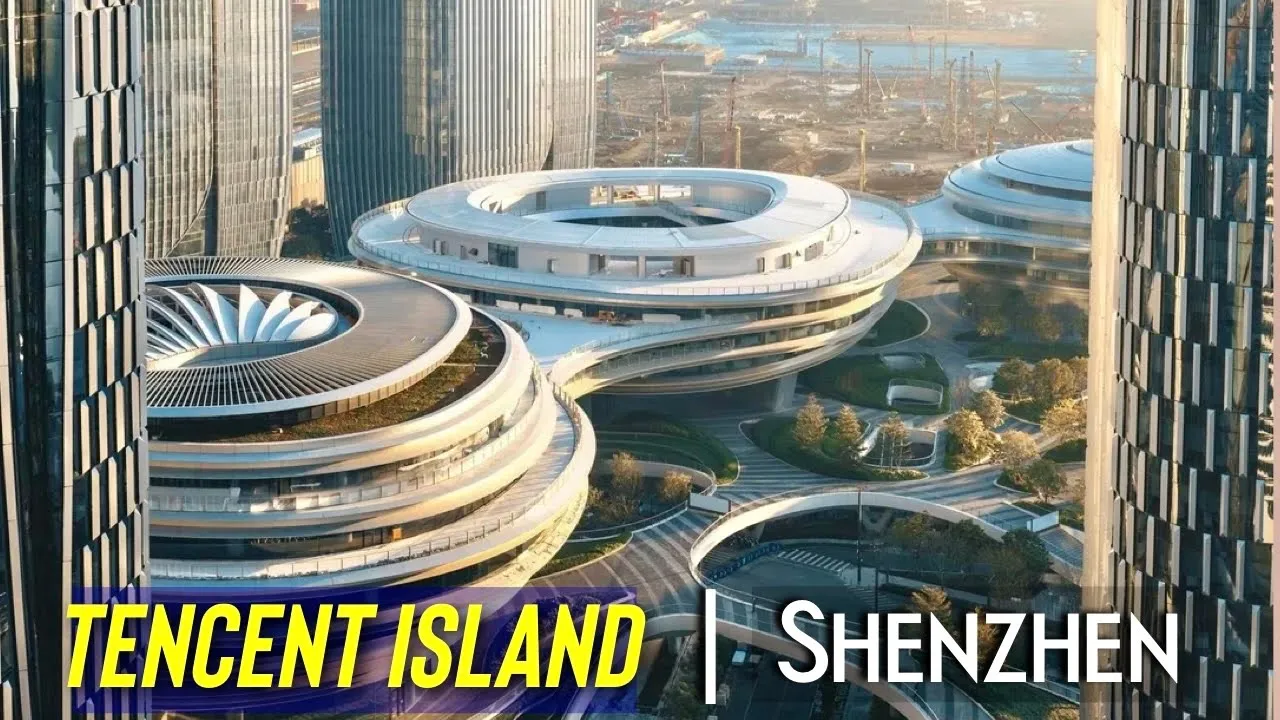
Rafa Goes Around! visits Tencent Island, also called Penguin Island, in Shenzhen's Qianhai area. He describes the developing campus, its futuristic buildings, greenery, employee dormitories and offices, retail spaces, schools, health services and autonomous shuttle buses. The video also shows bike parking and construction. The narrator says the project covers 800,000 square meters, has 14,000 employees working there and is designed for up to 80,000 people. He discusses employee housing, public transportation and the area's role in connecting parts of the Greater Bay Area.
I visited Tencent Island in Shenzhen, one of China's most impressive technology hubs. Home to one of the world's biggest tech companies, this futuristic development offers a glimpse into how China is shaping the cities and workplaces of the future. From its incredible architecture to its vision for innovation, here's a look inside one of Shenzhen's most fascinating places!
Rafa Goes Around! visits Tencent Island, which he also calls Penguin Island, in Shenzhen. He describes views of Bao'an District, nearby company headquarters and construction. The narrator says the area is part of Qianhai, a project intended to connect the Greater Bay Area, including Shenzhen, Hong Kong and Macau. He identifies Tencent as the developer and mentions WeChat and Tencent games. He says the development includes the company's headquarters and employee dormitories, covers 800,000 square meters, and already has 14,000 employees with capacity for 80,000 people to work and live there. He describes the land as reclaimed and says construction is continuing. He says people can currently reach the area by car, bus or taxi, and mentions a future transit line and free shuttle buses for employees. He visits retail space and discusses restaurants and employee canteens. He describes bike and e-bike parking, says marked areas are intended for bikes, and notes that some bikes overflow onto sidewalks. The narrator says he could not find parking in the project area and parked outside before taking a taxi. He shows schools, a community health center and other facilities, some of which are open while other parts remain under development. He says the company has 11 employee housing blocks and quotes an average monthly rent of 3,200 RMB for a one- or two-bedroom apartment. He compares this with his own rent, while describing the housing views and location.
Rafa Goes Around! visits Tencent Island, also called Penguin Island, in Shenzhen's Qianhai area. He describes the developing campus, its futuristic buildings, greenery, employee dormitories and offices, retail spaces, schools, health services and autonomous shuttle buses. The video also shows bike parking and construction. The narrator says the project covers 800,000 square meters, has 14,000 employees working there and is designed for up to 80,000 people. He discusses employee housing, public transportation and the area's role in connecting parts of the Greater Bay Area.
A walk through Shenzhen's Tencent Island, with its campus, transit, bike parking and ongoing construction.
Shenzhen Tencent Island Campus and Qianhai Development
2:26 The narrator says he could not find parking inside this development, so he left the car outside the area and took a taxi in. This was his experience on the visit; he does not identify the parking location.
5:45 The narrator says the area can currently be reached by car, bus or taxi. He also mentions free shuttles connecting the campus and subway stations for employees, so visitors should not assume those shuttles are open to everyone.
8:11 The narrator points out marked bike-parking areas and says bikes sometimes overflow onto the sidewalk. If you cycle through the campus, use the designated spaces so pedestrian routes remain clear.
0:41 First look at Tencent Island
1:41 Qianhai and the Greater Bay Area
2:05 Tencent's offices and shuttle buses
2:54 Campus size and reclaimed land
4:35 Walking through the development
6:29 Retail and employee dining
7:53 Bike rules and parking
10:46 Schools and community services
11:51 Autonomous shuttle bus
13:47 Employee dormitories and rents
tencentislandshenzhenchinatechfuturecitychinainnovationtechgiantchinesetechnologysmartcityfutureofchinaexplorechina 腾讯岛深圳中国科技未来城市中国创新腾讯智慧城市企鹅岛 深圳科技探索中国Where is Tencent Island?
The narrator places Tencent Island, also called Penguin Island, in Shenzhen's Qianhai area.
What is being built on Tencent Island?
The narrator shows office buildings, employee housing, retail space, schools and community health services, with additional areas still under construction.
How large does the narrator say the project is?
He says the development covers 800,000 square meters, has 14,000 employees working there and has capacity for 80,000 people to work and live there.
How does the narrator say visitors can reach the area?
He says it can be reached by car, bus or taxi. He also mentions free shuttle buses for employees connecting the area with subway stations.
What does the narrator say about employee housing?
He describes 11 housing blocks and quotes an average monthly rent of 3,200 RMB for a regular one- or two-bedroom apartment.