Source originale
The Chinese City Destroyed in One Night 🇨🇳
Tangshan Earthquake Memorial Park and Old Street Walk
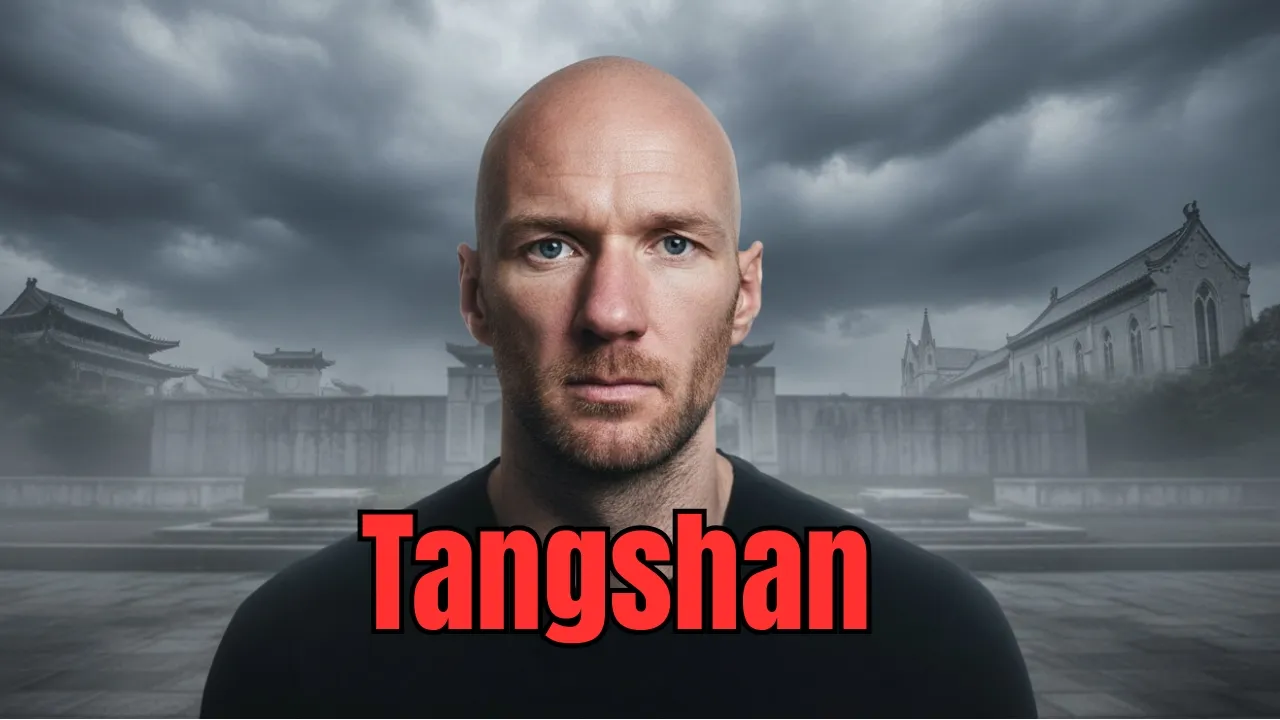
Tangshan.
Most people in China know this city for one reason only… the earthquake of 1976. In a single night, hundreds of thousands of people were killed and an entire city was wiped from the map.
But today? Tangshan is alive again.
In this episode, I explore the haunting Tangshan Earthquake...
Tangshan.
Most people in China know this city for one reason only… the earthquake of 1976. In a single night, hundreds of thousands of people were killed and an entire city was wiped from the map.
But today? Tangshan is alive again.
In this episode, I explore the haunting Tangshan Earthquake Memorial Park, wander through the old streets of Hetou, visit the ancient Xingguo Temple, and step inside the famous Wujiazhuang Catholic Church.
Along the way, we uncover the history of this overlooked Chinese city and meet the people keeping its story alive.
This is not the China most tourists see.
Tangshan Earthquake Memorial Park
Hetou Old Street
Xingguo Temple
Wujiazhuang Catholic Church
Tangshan
Tangshan China
Tangshan earthquake
China travel
China vlog
China documentary
Chinese history
hidden China
China travel vlog
Tangshan Earthquake Memorial Park
Hetou Old Street
Xingguo Temple
Wujiazhuang Catholic Church
China hidden gems
travel documentary
abandoned history
real China
ancient China
earthquake documentary
off the beaten path China
travel Asia
urban history
China tourism
historical travel
ryan shane palmer
Ryan Shane Palmer spends a day exploring Tangshan, Hebei, beginning at the earthquake memorial park and walking through an old street. He describes the 1976 earthquake, visits memorial walls and remaining ruins, and recounts the city’s industrial history, while acknowledging uncertainty in parts of his historical account. He visits a traditional-style pavilion, a temple and Wujiazhuang Catholic Church, then goes to a large evening food market. The transcript’s opening place name and some attraction names are garbled; Tangshan and the named sites are supported by the video title and description.
Tangshan.
Most people in China know this city for one reason only… the earthquake of 1976. In a single night, hundreds of thousands of people were killed and an entire city was wiped from the map.
But today? Tangshan is alive again.
In this episode, I explore the haunting Tangshan Earthquake Memorial Park, wander through the old streets of Hetou, visit the ancient Xingguo Temple, and step inside the famous Wujiazhuang Catholic Church.
Along the way, we uncover the history of this overlooked Chinese city and meet the people keeping its story alive.
This is not the China most tourists see.
Tangshan Earthquake Memorial Park
Hetou Old Street
Xingguo Temple
Wujiazhuang Catholic Church
Tangshan
Tangshan China
Tangshan earthquake
China travel
China vlog
China documentary
Chinese history
hidden China
China travel vlog
Tangshan Earthquake Memorial Park
Hetou Old Street
Xingguo Temple
Wujiazhuang Catholic Church
China hidden gems
travel documentary
abandoned history
real China
ancient China
earthquake documentary
off the beaten path China
travel Asia
urban history
China tourism
historical travel
ryan shane palmer
Ryan Shane Palmer opens by greeting viewers from Tangshan, although automatic transcription renders the following place name as “Hubei” or “Houfei.” The video title and description identify Tangshan, in Hebei. He says he will explore local history and landmarks and look for somewhere to eat because restaurants are scarce early in the morning. At Tangshan Earthquake Memorial Park, he says the 1976 earthquake measured 7.8 and caused about 242,000 casualties. He points out a lake, memorial plaques, remaining ruins and long walls bearing victims’ names, whose full extent is difficult to see. He describes a pot-like object with dragons and says it could indicate an approaching earthquake by dropping a ball toward a frog’s mouth. He also points out the remains of an old car factory destroyed in the earthquake and says it is one of seven ruins allowed to remain. Ryan visits one of Tangshan’s two old streets, choosing the less touristy one, though he says it does not look very ancient. He recounts the city’s history, saying it began as a few coal mines in the 16th century and describing later coal exports, foreign occupations and political changes; he qualifies parts of this account as uncertain. He comments on factories and chimneys, a replica Eiffel Tower, a British phone box and stalls selling handmade items. Across the road he visits a temple; the ASR renders its name as “Da Tong Temple,” while the video description names Xingguo Temple, so the transcript name is not normalized. Ryan says the temple dates to 645, was destroyed in the earthquake and was rebuilt in 2003. He then visits Wujiazhuang Catholic Church, whose name is garbled in the transcript but confirmed by the description. He says it was built in 1900 in Gothic style, destroyed in the 1970s earthquake and rebuilt in 1988. Inside, he points out an old “Nihao,” altars, lighting, pictures and murals depicting the life of Jesus, as well as people praying. In the evening he enters a large food market, which he says is packed because it is New Year’s Day, January 1. He describes different sections and many food choices, then spends time deciding what to eat and finding a seat. He shows a serving contraption with dumplings on top and a straw through the middle for a fizzy drink. He closes by saying he enjoyed Tangshan and plans to catch a train to another city the next day. The transcript gives no year for the New Year’s date; like-and-subscribe requests at the end are omitted.
Ryan Shane Palmer spends a day exploring Tangshan, Hebei, beginning at the earthquake memorial park and walking through an old street. He describes the 1976 earthquake, visits memorial walls and remaining ruins, and recounts the city’s industrial history, while acknowledging uncertainty in parts of his historical account. He visits a traditional-style pavilion, a temple and Wujiazhuang Catholic Church, then goes to a large evening food market. The transcript’s opening place name and some attraction names are garbled; Tangshan and the named sites are supported by the video title and description.
Ryan explores Tangshan’s earthquake memorial park, old streets, religious sites and evening food market.
Tangshan Earthquake Memorial Park and Old Street Walk
1:02 At Tangshan Earthquake Memorial Park, Ryan walks past memorial plaques, surviving ruins and long walls bearing victims’ names. He also points out a lake; the video shows these as part of his visit but gives no opening hours or access details.
3:19 Ryan says Tangshan has two old streets and chooses the less touristy one for his walk. He notes that the buildings do not look especially ancient, despite the street’s historic framing.
6:00 Ryan visits a temple across the road from the old street. The transcript renders its name as “Da Tong Temple,” while the description names Xingguo Temple, so confirm the site name before using it for navigation.
8:19 Ryan visits a large food market in the evening and says it is packed because it is New Year’s Day. He sees many food choices but finds it difficult to decide what to eat; the video gives no stall names or prices.
0:00 Opening in Tangshan
0:41 1976 earthquake and memorial park
1:30 Memorial walls and remaining ruins
2:15 Dragon-and-frog earthquake device
3:19 Choosing an old street
3:42 Tangshan’s coal-mining history
5:00 Zodiac decorations and pavilion
6:00 Temple across the street
6:46 Wujiazhuang Catholic Church
8:19 Evening food market
9:05 Choosing a meal
10:31 Closing the day in Tangshan
tangshantangshan chinatangshan earthquakechina travelchina vlogchina documentarychinese historyhidden chinachina travel vlogtangshan earthquake memorial parkhetou old streetxingguo templewujiazhuang catholic churchchina hidden gemstravel documentaryabandoned historyreal chinaancient chinaearthquake documentaryoff the beaten path chinatravel asiaurban historychina tourismhistorical travelryan shane palmerWhere does Ryan say he is exploring?
The video title and description identify Tangshan, in Hebei. The opening transcript renders the place name inconsistently.
What does Ryan say happened in Tangshan in 1976?
He says a 7.8-magnitude earthquake struck the city and caused about 242,000 casualties.
What does Ryan see at the earthquake memorial park?
He points out memorial plaques, walls bearing victims’ names, a lake and some remaining ruins.
Which old street does Ryan visit?
He says he chooses the less touristy of Tangshan’s two old streets. The description names Hetou Old Street, but he does not say that name in the transcript.
What does Ryan say about the temple?
He says it was built in 645, destroyed in the earthquake and rebuilt in 2003. The transcript renders its name as “Da Tong Temple”; the description lists Xingguo Temple.
What does Ryan show inside Wujiazhuang Catholic Church?
He points out altars, lighting, pictures and murals about the life of Jesus, as well as people praying.
Where does Ryan go for food in the evening?
He visits a large food market, which he says is especially crowded because it is New Year’s Day.
What does Ryan plan to do after visiting Tangshan?
He says he plans to take a train to another city the next day; he does not name the destination.