แหล่งที่มาต้นฉบับ
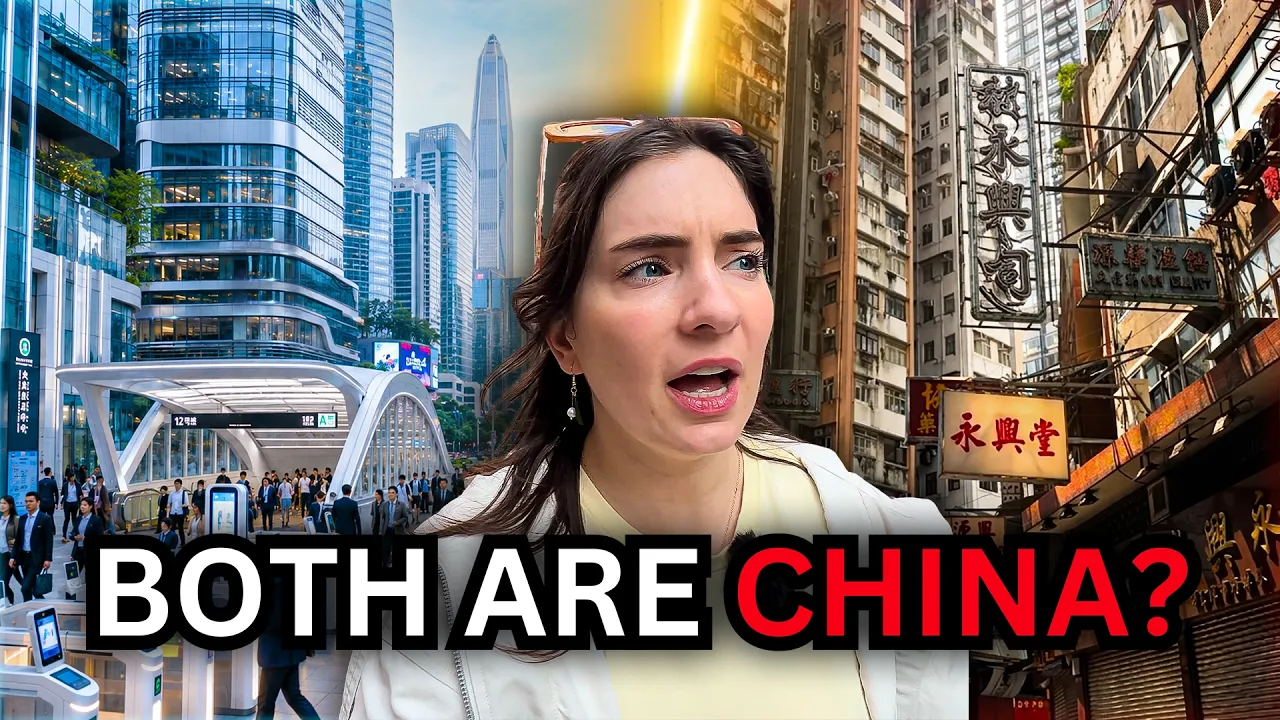
I Spent 2 Months in China. Then I Crossed into Hong Kong...
Hong Kong vs China: Cashless, Retro Dim Sum & Culture Shock
After spending 2 months traveling mainland China, I crossed the border into Hong Kong and experienced a huge culture shock. In this video, I’m sharing my raw first impressions comparing Mainland China vs Hong Kong.
Despite what we see on the news about Hong Kong, stepping across the border felt like...
After spending 2 months traveling mainland China, I crossed the border into Hong Kong and experienced a huge culture shock. In this video, I’m sharing my raw first impressions comparing Mainland China vs Hong Kong.
Despite what we see on the news about Hong Kong, stepping across the border felt like entering a completely different world. After weeks of living in China's high-tech, cashless ecosystem using Alipay and WeChat, nothing prepared me for how different Hong Kong would be. From the iconic British-style taxis to the unexpected return to using cash, I felt like I crossed into an entirely different country—even though it is technically a part of China now.
Two months in China’s seamless cashless world, then a border crossing into Hong Kong—where retro dim sum, British-style taxis, and old-school cash deliver instant culture shock. This raw comparison captures what the news doesn’t: a city that feels like a different country, though it’s technically part of China. From wooden ferry rides and lion dance street shows to fewer CCTV cameras and a notably orderly vibe, the video highlights Hong Kong’s unique character and the small everyday contrasts that make the transition so striking. Essential viewing for anyone planning a Hong Kong or mainland China trip.
After spending 2 months traveling mainland China, I crossed the border into Hong Kong and experienced a huge culture shock. In this video, I’m sharing my raw first impressions comparing Mainland China vs Hong Kong.
Despite what we see on the news about Hong Kong, stepping across the border felt like entering a completely different world. After weeks of living in China's high-tech, cashless ecosystem using Alipay and WeChat, nothing prepared me for how different Hong Kong would be. From the iconic British-style taxis to the unexpected return to using cash, I felt like I crossed into an entirely different country—even though it is technically a part of China now.
20Camels says they spent the previous two months traveling around mainland China before flying to Hong Kong for a first visit. They begin at a traditional dim sum restaurant where servers bring dishes on trolleys and mark orders on a card. The creator describes washing dishes in hot water and sharing a table with strangers, then pays cash at the register; the exact bill and amount handed over are unclear in the transcript. The creator compares that experience with China's phone-based payment habits as they experienced them. The narration gives a brief account of Hong Kong's British colonial period, the 1898 lease, the 1997 handover and the one-country, two-systems arrangement, including the creator's statement about a 2047 horizon. These historical and political statements are the creator's narration, not independently verified here. After an advertising passage that is excluded from this summary, the creator rides a traditional double-decker tram, describing it as crowded and saying it felt less efficient than transport they used in mainland China. They walk through Central and share their personal impressions of skyscrapers, CCTV cameras, police presence, greenery, visitors from abroad and pedestrian order. The creator then takes a wooden public ferry across the water to Aberdeen, says cash is needed unless a local transport card is used, and states the fare is HK$3 per person. They arrive by the fish market and see a street event with dragon dancing and different masks. The visit ends with the creator buying four Hong Kong-style egg tarts and describing their hot, creamy, egg-forward filling. The comparisons about surveillance, policing, order and transport are subjective impressions from this visit rather than claims about every part of Hong Kong or mainland China.
20Camels shares first impressions after traveling from mainland China to Hong Kong. The creator visits a traditional dim sum restaurant, pays in cash, rides a tram and a wooden ferry to Aberdeen, watches a street dragon dance, and tries Hong Kong-style egg tarts. The narration compares the creator's experiences of payment, transport, public order, greenery, police visibility and city life in Hong Kong and mainland China; these are personal observations rather than a comprehensive description of either place.
20Camels compares first impressions of Hong Kong and mainland China through dim sum, public transport, a ferry, a dragon dance and egg tarts.
Hong Kong Dim Sum, Ferries and First Impressions
0:21 At the dim sum restaurant, dishes arrive on trolleys and staff mark each selection on a card for the final bill. The creator also describes washing dishes in hot water and sharing a table with strangers; this is what they encountered at this restaurant.
3:43 The creator pays the dim sum bill in cash and says returning to cash after two months in mainland China felt unfamiliar. Their exact bill total is unclear in the transcript, so the video does not provide a reliable amount to budget.
7:32 The creator says the tram was crowded and difficult to get off. They also found it confusing to exit the fenced track area; follow marked exits and passenger flow when leaving the stop.
11:46 The wooden ferry goes across the water to Aberdeen. The creator says the fare is HK$3 per person and that it takes cash unless you have the local public-transport card, so have an accepted payment method ready.
14:28 The creator buys four Hong Kong-style egg tarts and says they are still hot. They describe a creamy, egg-forward center and suggest finding somewhere to sit because the street is crowded.
0:00 First impressions after arriving
0:20 A retro dim sum restaurant
3:30 Cash after China's cashless routine
3:59 British influence in Hong Kong
7:01 Public transport: mainland China and Hong Kong
8:47 CCTV and city impressions
9:12 Greenery and police visibility
9:25 Fewer police on the streets
10:26 More foreigner-friendly
10:46 People in Hong Kong are more orderly
11:40 A wooden ferry across the water
13:46 A street dragon dance
14:25 Hong Kong-style egg tarts
0:00 Intro
0:20 Hong Kong's 60's-Style Retro Dim Sum
3:30 Paying with Cash vs China's Cashless Economy
3:59 British Influence in Hong Kong Today
7:01 Public Transportation China vs. HK
8:47 Lack of CCTV Surveillance in Hong Kong
9:12 More Nature in the City
9:25 Fewer Police on the Streets
10:26 More Foreigner-Friendly
10:46 People in Hong Kong are more Orderly
11:40 Riding a Traditional Wooden Ferry Boat
13:46 Lion Dance Street Show
14:25 Trying a Hong Kong-Style Egg Tart
travelvlogvloggingamericanchina travelchinachina vlog中国الصين外国人美国人美国在中国旅行hong konghong kong vs chinahong kong versus chinahk香港hongkongsarcctvdim sum點心点心cha chaan tenghong kong-style cafehong kong style cafehong kong cafe茶餐厅هونغ كونغhk vs chinahong kong nightlifehong kong public transporthong kong public transportationhong kong metrohong kong subwayhong kong lifestylehong kong travelhong kong tourismhong kong tripWhat was different about the dim sum restaurant?
The creator describes dishes arriving on trolleys, staff marking orders on a card, washing dishes in hot water and sharing a table with strangers.
How much did the wooden ferry to Aberdeen cost?
The creator says the fare was HK$3 per person and that it required cash unless a local public-transport card was used.
What does the creator say about Hong Kong transport?
They found the tram crowded and said getting around felt less efficient than their experience of public transport in mainland China. This is their impression from the trip.
What happens during the street event?
The creator sees a street festival with dragon dances and different masks.
What are the Hong Kong-style egg tarts like?
The creator buys four and describes them as hot, with a creamy, egg-forward center.