查看原文
Busy Buddhist Temple in Shanghai, China 2025 (via the Metro)
Longhua Temple, Shanghai: A Historic Buddhist Journey
Join me on a short visit to the VERY busy and VERY old Longhua temple on before New Years Day 2025 along with many other people !
The Longhua Temple (traditional Chinese: 龍華寺; simplified Chinese: 龙华寺; pinyin: Lónghúa Sì, Shanghainese: Lon-ngu-zy, alternatively Lunghwa Temple; literally "Dragon...
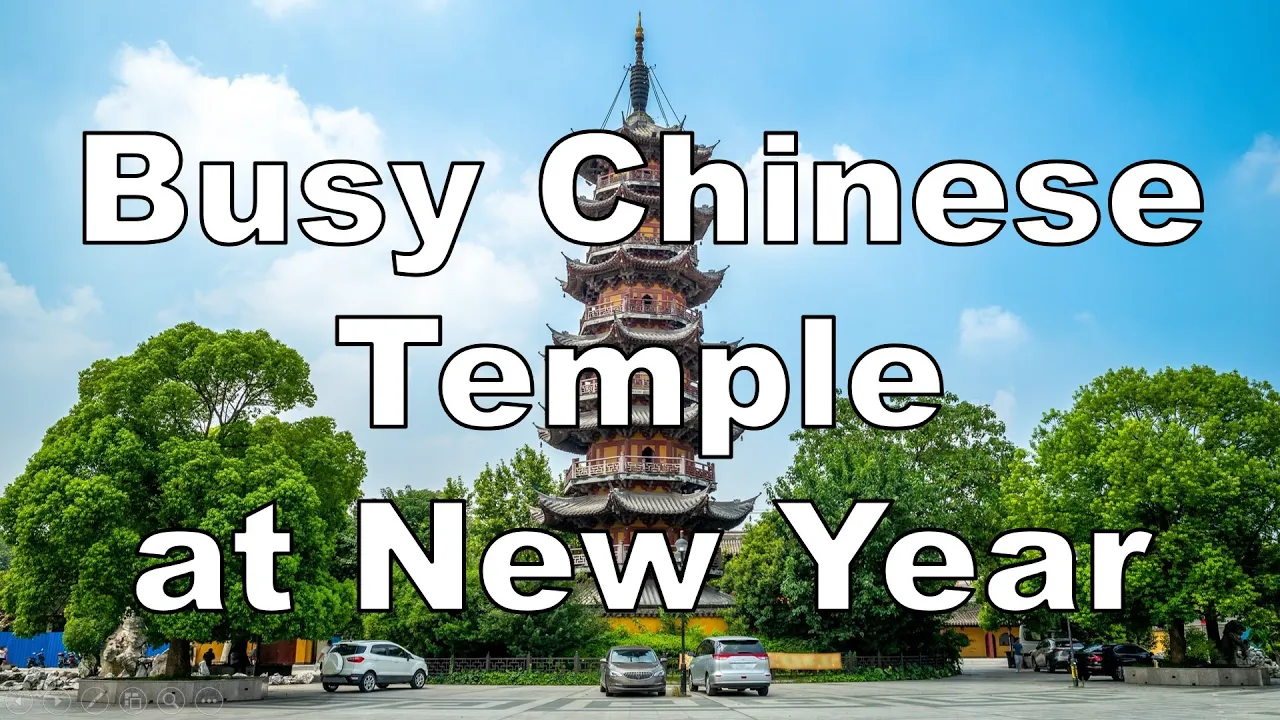
Join me on a short visit to the VERY busy and VERY old Longhua Temple before New Years Day 2025 along with many other people! The Longhua Temple (traditional Chinese: 龍華寺; simplified Chinese: 龙华寺; pinyin: Lónghúa Sì, Shanghainese: Lon-ngu-zy, alternatively Lunghwa Temple; literally "Dragon Flower Temple") is a Buddhist temple dedicated to the Maitreya Buddha in Shanghai. Although most of the present day buildings date from later reconstructions, the temple preserves the architectural design of a Song dynasty (960–1279) monastery of the Chan School. It is the largest ancient temple complex in the city of Shanghai. Longhua Temple inner courtyard Newly constructed front gate of Longhua. The site of the original gates, further in front, is now marked by two standing pillars and a set of original stone lions. The temple was first built in 242 AD, during the Three Kingdoms Period (220–280). According to a legend, Sun Quan, King of the Kingdom of Wu (222–280), had obtained Sharira relics, which are cremated remains of the Buddha. To house these precious relics, the king ordered the construction of 13 pagodas. Longhua Pagoda (龍華塔), part of the Longhua temple complex, is said to have been one of them. Like the function of the pagoda, the name of the temple also has its origin in a local legend according to which a dragon once appeared on the site. The temple was destroyed by war towards the end of the Tang dynasty (618–907) and rebuilt in 977 AD, under the autonomous Kingdom of Wuyue during the Northern Song dynasty period (960–1127). (According to another version of the story, as contained in Song (960–1279) and Yuan dynasty (1271–1368) local histories, the temple was first built by the King of Wuyue.) Later in the Song dynasty, in 1064, it was renamed "Kongxiang Temple" (空相寺), but the original name "Longhua Temple" was restored in the Ming dynasty (1368–1644) during the reign of the Wanli Emperor (1573–1620). The present architectural design follows the Song...
Experience the vibrant atmosphere of Longhua Temple in Shanghai, a bustling Buddhist temple with a rich history dating back to 242 AD. Discover its captivating architecture, blending Song Dynasty design with later reconstructions. Explore the temple's inner courtyard and the newly constructed front gate, a testament to its enduring legacy. Learn about the temple's fascinating history, from its initial construction to its destruction and subsequent rebuildings. Immerse yourself in the spiritual heart of Shanghai and witness the blend of ancient traditions and modern life.
Join me on a short visit to the VERY busy and VERY old Longhua Temple before New Years Day 2025 along with many other people! The Longhua Temple (traditional Chinese: 龍華寺; simplified Chinese: 龙华寺; pinyin: Lónghúa Sì, Shanghainese: Lon-ngu-zy, alternatively Lunghwa Temple; literally "Dragon Flower Temple") is a Buddhist temple dedicated to the Maitreya Buddha in Shanghai. Although most of the present day buildings date from later reconstructions, the temple preserves the architectural design of a Song dynasty (960–1279) monastery of the Chan School. It is the largest ancient temple complex in the city of Shanghai. Longhua Temple inner courtyard Newly constructed front gate of Longhua. The site of the original gates, further in front, is now marked by two standing pillars and a set of original stone lions. The temple was first built in 242 AD, during the Three Kingdoms Period (220–280). According to a legend, Sun Quan, King of the Kingdom of Wu (222–280), had obtained Sharira relics, which are cremated remains of the Buddha. To house these precious relics, the king ordered the construction of 13 pagodas. Longhua Pagoda (龍華塔), part of the Longhua temple complex, is said to have been one of them. Like the function of the pagoda, the name of the temple also has its origin in a local legend according to which a dragon once appeared on the site. The temple was destroyed by war towards the end of the Tang dynasty (618–907) and rebuilt in 977 AD, under the autonomous Kingdom of Wuyue during the Northern Song dynasty period (960–1127). (According to another version of the story, as contained in Song (960–1279) and Yuan dynasty (1271–1368) local histories, the temple was first built by the King of Wuyue.) Later in the Song dynasty, in 1064, it was renamed "Kongxiang Temple" (空相寺), but the original name "Longhua Temple" was restored in the Ming dynasty (1368–1644) during the reign of the Wanli Emperor (1573–1620). The present architectural design follows the Song...
This video follows Tim Chambers' visit to the Longhua Temple in Shanghai, China, shortly before Chinese New Year in 2025. The video highlights the temple's significance as a large and ancient Buddhist temple complex in Shanghai, showcasing its busy atmosphere during the pre-New Year period.
Tim and his companion, William, navigate the temple using the Shanghai Metro, specifically line 11, noting the contrast between older and newer sections of the Long hua station. The journey itself becomes part of the experience, with observations on the station's art and the efficient management of pedestrian flow around the temple.
The video provides a visual tour of the temple's different courtyards, highlighting the unique details of the architecture and the rituals practiced there. The act of throwing coins into a wishing well is shown, capturing a lighthearted moment of interaction with the temple's traditions.
While Tim mentions the popular noodle dishes available at the temple, the focus remains on the overall atmosphere and the spiritual significance of the location. The video also shows the burning of paper money offerings, a common practice in Chinese culture to honor deceased ancestors.
The concluding segment of the video shows Tim and William returning via the metro, again observing the station's design and the anticipation of future development in the area. The overall tone is one of respectful observation and appreciative engagement with the unique cultural experience of visiting the Longhua Temple during a busy period.
The video successfully captures the vibrant energy of the location and the significance of the temple within the broader context of Shanghai and Chinese culture, offering viewers a glimpse into a unique cultural and spiritual experience.
Join Tim Chambers as he explores the bustling Longhua Temple in Shanghai during the Chinese New Year festivities. Experience the vibrant atmosphere, unique traditions, and cultural immersion as Tim navigates the temple grounds and interacts with locals. This captivating journey showcases the beauty of this ancient temple and the rich traditions surrounding it.
Tim Chambers' Shanghai adventure: A busy, beautiful visit to Longhua Temple, filled with cultural immersion and spiritual reflection during Chinese New Year.
Longhua Temple Shanghai: A Pre-New Year Visit
0:17 Visiting Longhua Temple during Chinese New Year offers a unique cultural experience, witnessing the blend of tradition and modern life in Shanghai. Observe the respectful atmosphere and participate in some of the traditions if comfortable.
0:36 Utilize Shanghai's efficient metro system for convenient travel to the temple. Note the distinct architectural styles of older and newer station sections.
1:27 Long hua station offers artistic elements that differentiate it from other stations. Take a moment to appreciate the local art.
2:14 The temple's pagoda provides a stunning visual landmark. Capture photos and appreciate the architectural design.
3:35 Engage in the coin-tossing tradition at the wishing well, a fun and interactive way to experience local customs.
4:31 Explore the local food offerings around the temple. Try the popular noodles for an authentic culinary experience.
5:06 Plan your return journey using the metro, taking note of the different exits and potential crowd flow.
0:06 Chinese New Year approaches
0:17 Visit to Longhua Temple
0:36 New entrance to station
1:27 Arrival at Long hua station
2:14 Temple Pagoda view
3:05 Exploring temple courtyards
3:35 Coin tossing tradition
4:31 Temple noodles
5:06 Return journey
5:39 Metro ride back
0:06 Chinese New Year approaches
0:17 Visit to Longhua Temple
0:36 New entrance to station
1:27 Arrival at Long hua station
2:14 Temple Pagoda view
3:05 Exploring temple courtyards
3:35 Coin tossing tradition
4:31 Temple noodles
5:06 Return journey
5:39 Metro ride back
上海中國public transportasiatravelmetrotourism中國旅遊影片上海旅遊影片中國旅遊china buschina metrofreelow costshanghai for freecheap shanghaibuddhisttemplereligionlonghuaempire of the sunlonghua templenew yearchina new yearchinese new yearbuddhabuddismlunghuayear of the snakeyear of the dragonbusy chinared notelittle red bookxiao hong shuchina and uschina and americashanghai metro line 11shanghai metroWhat is the significance of visiting Longhua Temple around Chinese New Year?
It's a really popular time to visit! Lots of people go to Buddhist temples to pray and celebrate, and it's a great way to experience the atmosphere.
How did you get to the temple?
We took the metro, line 11. It's a super easy and convenient way to get around Shanghai.
What was the most memorable part of your visit?
Probably seeing all the people and the energy, and also trying to get those coins in the well! It was pretty fun.