查看原文
RoadTrip to Tibet | EP2: Meeting the Naxi People
Naxi Village on a Stone: Yunnan's Unique Mountaintop Community
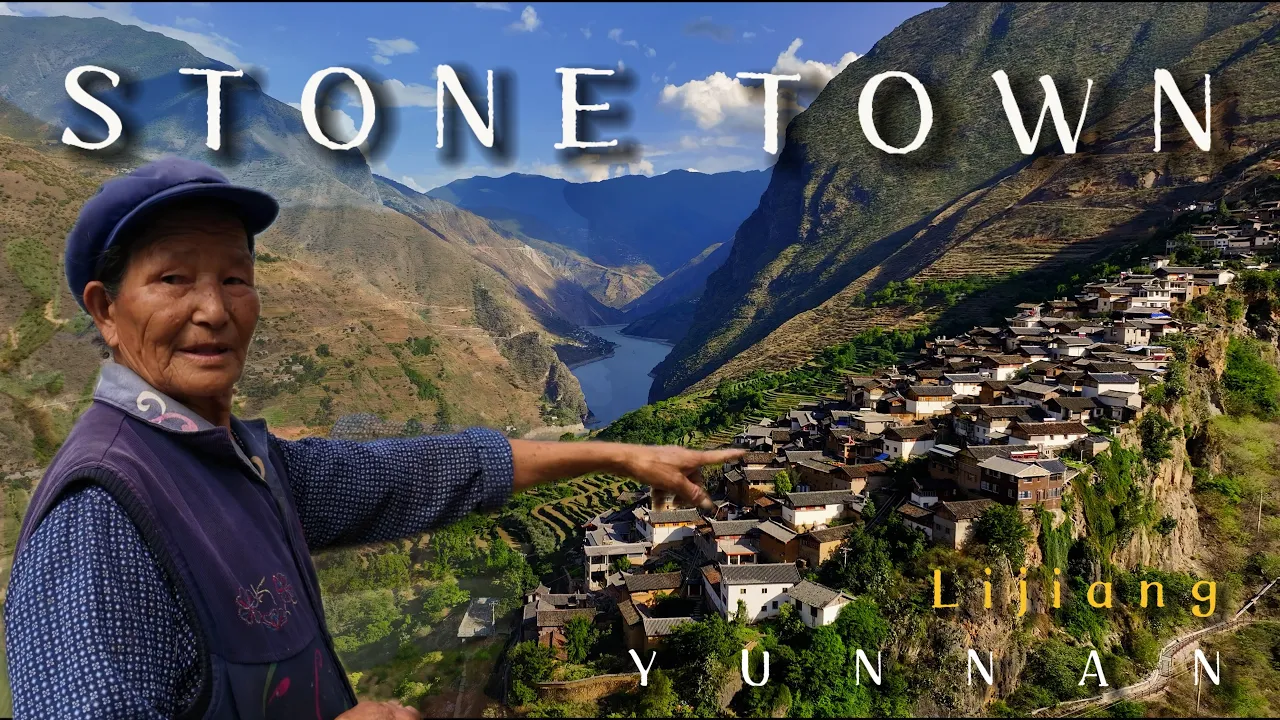
In this episode, we journeyed to a village entirely constructed upon a massive stone, where over 100 Naxi families reside in a compact community. Yunnan's mountainous highlands typically see settlements nestled in the flat areas between peaks, known as "basins," such as those found in Dali old town...
In this episode, we journeyed to a village entirely constructed upon a massive stone, where over 100 Naxi families reside in a compact community. Yunnan's mountainous highlands typically see settlements nestled in the flat areas between peaks, known as "basins," such as those found in Dali old town and Lijiang old town. However, over 100 kilometers from the basin of Lijiang lies the Jinsha River, the upper reached of Yangtze river, where a group of Naxi people have been living for centuries on top of a stone. I'm curious why did their ancestors choose to migrate here and settle in such a secluded place? How do they live these days? Let's explore together.
Journey to a unique village in Yunnan, China, where over 100 Naxi families live on a massive stone, far from Lijiang's basins. Discover their centuries-old history, learn about their daily lives, and witness their resilience in this secluded mountaintop community. Explore their culture, homes, and the unique challenges and rewards of living in such a remarkable place. A captivating story of human adaptation and cultural preservation.
In this episode, we journeyed to a village entirely constructed upon a massive stone, where over 100 Naxi families reside in a compact community. Yunnan's mountainous highlands typically see settlements nestled in the flat areas between peaks, known as "basins," such as those found in Dali old town and Lijiang old town. However, over 100 kilometers from the basin of Lijiang lies the Jinsha River, the upper reached of Yangtze river, where a group of Naxi people have been living for centuries on top of a stone. I'm curious why did their ancestors choose to migrate here and settle in such a secluded place? How do they live these days? Let's explore together.
This episode of Honglin Li's "RoadTrip to Tibet" series takes viewers to a remarkable Naxi village in Yunnan, China, situated atop a massive rock formation along the Jinsha River. The village, accessible only by traversing a challenging hillside path, offers a glimpse into a community that has thrived in this isolated location for over a millennium.
Honglin Li's journey begins with an overview of the breathtaking landscape—towering mountains and the Jinsha River, a tributary of the Yangtze River, forming a dramatic backdrop to the village. The unique architecture of the village, with houses closely stacked along the hillside, is immediately striking. The traveler notes the quiet atmosphere and the traditional construction of the homes, made from stone and clay, and observes glimpses into the courtyards of the houses from the higher vantage points of the pathways.
The exploration continues into the heart of the village, which, according to Honglin Li, boasts over a hundred households. The traveler describes the village's history, noting its origins in the early Han dynasty and the significant role of the Naxi people in shaping its development. The village's defensive structures, including gates, walls, and watchtowers, are highlighted as evidence of the community's resilience against historical challenges.
The video features intimate interactions with a local Naxi grandmother who shares insights into the daily life of the community. The grandmother shows Honglin Li her home, a traditional stone house, and explains how generations have lived in this space. She demonstrates traditional practices, including the use of tools and household items that have been passed down through generations. The grandmother shares details about traditional cooking methods, and the use of local ingredients and remedies, showcasing the self-sufficiency of the community.
The historical context of the Naxi people is explored, tracing their ancestry back to the ancient Qiang people. The video depicts how the Naxi people adapted to the challenging terrain, developing innovative farming techniques and creating an intricate irrigation system. Their unique pictographic script is also mentioned, underscoring the rich cultural heritage of the community. The traveler's interactions with the villagers are heartwarming and reveal a strong sense of community and pride in their unique heritage.
The video concludes with stunning views from the highest point of the village, offering a panoramic perspective of the entire settlement, the surrounding landscape, and the river valley. The video captures the beauty and isolation of this unique location, highlighting the resilience and self-sufficiency of the Naxi people who call this remarkable place home. The remarkable journey underscores the beauty of cultural preservation and the importance of understanding diverse ways of life.
Journey to a remote Naxi village in Yunnan, China, nestled atop a massive rock. Honglin Li explores this unique community, learning about their history, traditions, and daily life. Discover how they carved a life from the mountainside, and the challenges they face in this breathtaking landscape.
Honglin Li's Yunnan adventure reveals a hidden Naxi village perched on a giant rock. Stunning views and unique traditions create an unforgettable experience.
Hidden Naxi Village: Yunnan's Stone Town on the Yangtze
1:46 Explore the rustic beauty of the Naxi village nestled in the mountains and along the Jinsha River. Note the traditional houses stacked closely together along the hillside, offering a unique architectural style.
2:12 From a higher vantage point, observe the courtyards of the houses. The streets are often quiet, offering a peaceful atmosphere.
3:59 Learn about the history of Baoshan Stone Town, first mentioned in the early Han dynasty. Discover the role of the Naxi people in shaping this village, which began taking shape during the Yuan dynasty.
5:36 Observe the natural underground water source used by the villagers for centuries. Compare the past water source to the current tap water used by the villagers.
6:01 Learn about the traditional practices of the Naxi people, such as starting a fire, cooking, storing water, and weaving clothes. Observe the tools and household items passed down through generations.
8:01 Understand the origins of the Naxi people, tracing their ancestry to the ancient Qiang people. Learn about their migration to Baoshan Stone Town and their adaptation to the challenging terrain.
9:06 Examine traditional Naxi objects, such as gourds, shoes, and weaving tools. Learn about their uses and historical significance.
13:01 Discover how the villagers grow vegetables on the rocky terrain. Observe the ingenuity of their farming methods, adapting to the challenging environment.
14:04 Experience the challenging terrain of the village, with steep slopes and uneven paths. Consider the challenges faced by the villagers in transporting goods and building materials.
0:18 Introduction to Lijiang
1:02 River valley view
1:46 Entering the village
3:59 Baoshan Stone Town history
5:36 Local water source
6:01 Traditional house
8:01 Naxi origins
9:06 Traditional objects
9:40 Livestock challenges
10:01 Grandma's house
12:20 Feeding chickens
13:01 Vegetable farming
14:04 Difficult terrain
0:00 Heading to the Stone Town
1:26 My first impression of this place
3:42 Entering the stone town & history
5:00 Meeting Naxi grandma & visit old stone house
8:00 Culture of the Naxi people
9:15 Rural life on top of the stone
13:40 How people live these days
14:20 Main transportation by horses and mules
16:38 Drone view
雲南rural中國villageethinicminoritynaxipeoplestonecliffmountianvalleyriveryangtzeriverWhat is the most striking feature of this village?
It's built on a massive rock, surrounded by mountains and the Jinsha River, a tributary of the Yangtze River. It's quite isolated!
How old is the village?
It was first mentioned in the early Han dynasty, and the Naxi people settled there during the Tang dynasty. The village as we see it today began to take shape in the Yuan dynasty.
What are the houses made of?
Mostly stone at the base, and square bricks made of clay on the upper part. Many of the household items are also made of stone.
What is the water source?
Natural underground water that springs up on its own. It is very clear and clean.
What kind of farming do they do?
They grow vegetables on the rocks and also raise pigs and other livestock.
What is the terrain like?
It's very steep and challenging, with slopes ranging from 55 to 81 degrees. They use horses and mules to transport goods.