查看原文
Is This The Future of (China's) Cities?
China's Urban Future: Walkable Cities and Development
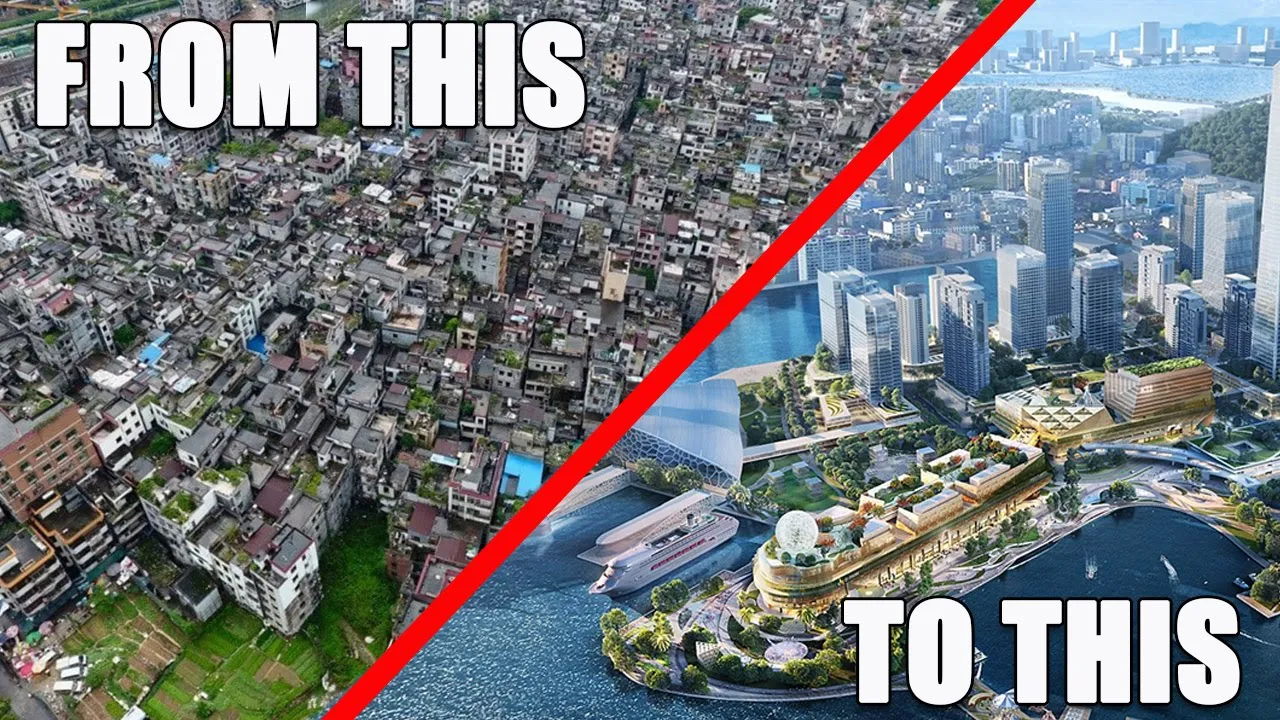
A little look at the past, the current and future of Chinese cities. What do you think of Handshake Buildings and Urban Villages? What about the typical Chinese neighborhood? And thoughts on the future of walkable, accessible, people first urban communities?
Check out some other "Urbanist"...
A little look at the past, the current and future of Chinese cities. What do you think of Handshake Buildings and Urban Villages? What about the typical Chinese neighborhood? And thoughts on the future of walkable, accessible, people first urban communities?
Explore the evolution of Chinese cities, from their historical roots to their modern transformations and future aspirations. This video delves into the unique characteristics of Chinese urban landscapes, including Handshake Buildings and Urban Villages, offering a glimpse into the daily lives of residents. It also examines the concept of walkable, accessible, and people-first urban communities, sparking a conversation about the future of urban development in China.
A little look at the past, the current and future of Chinese cities. What do you think of Handshake Buildings and Urban Villages? What about the typical Chinese neighborhood? And thoughts on the future of walkable, accessible, people first urban communities?
This video by Eric G explores the urban landscape of China, focusing on Shenzhen and its contrasting neighborhoods. It begins by showcasing the "Urban Villages," densely packed low-rise communities common in Guangdong Province, characterized by their unique "handshake buildings." These villages, while thriving amidst modern development, often lack pedestrian-friendly features.
The video then shifts to Prince Bay, a newly developed neighborhood in Shenzhen, presented as a model of thoughtful urban design. Eric G details its wide sidewalks, designated bike paths, and elevated pedestrian zones, creating a safe and relaxing environment. The integration of public transit, including easy access to the subway and ferry terminal, is highlighted.
Furthermore, the video discusses the unique design features of Prince Bay, such as the lack of street-level parking and the prevalence of underground parking, promoting walkability. The integration of residential towers directly into the street level, unlike the typical walled-off residential complexes, is also noted. The abundance of public spaces and green areas, along with the absence of "hostile architecture," contributes to the neighborhood's welcoming atmosphere.
However, Eric G also points out the lack of affordable housing in Prince Bay, raising concerns about its accessibility to all residents. The video concludes with a reflection on the future of urban development in China, suggesting that Prince Bay represents a significant leap forward in creating people-first urban environments, balancing modern amenities with a sense of community and livability.
Eric G explores the evolution of Chinese cities, contrasting traditional urban villages with a modern, innovative neighborhood in Shenzhen. He highlights Prince Bay, a peninsula built on reclaimed land, showcasing its pedestrian-friendly design, integrated public transit, and thoughtful approach to urban planning. The video offers a unique perspective on the future of urban development in China, balancing accessibility and livability.
Eric G's China journey reveals Prince Bay, Shenzhen's innovative, pedestrian-first neighborhood. A blend of modern design and traditional elements creates a welcoming, accessible urban space.
Shenzhen's Prince Bay: A Pedestrian-First Urban Design
2:10 Pay attention to details in the built environment that affect your feelings, both positive and negative. For example, well-separated bike lanes and pedestrian walkways create a positive experience, while shared paths cause negative feelings.
3:19 When exploring a new city, look for the way the city is designed for people, including traffic patterns, public transit, walkability, and accessibility.
4:39 Observe how different levels are used to separate pedestrian traffic from vehicles and bikes. This creates safer and more relaxing zones for walking.
5:19 Consider how well-connected a neighborhood is to public transportation. Easy access to buses and subways greatly enhances convenience and affordability.
7:13 Note the presence or absence of on-street parking and the provision of underground parking and EV charging stations. These elements significantly impact the urban environment.
7:54 Examine how residential buildings are integrated into the street level. Direct access at street level creates a more integrated community.
9:20 Look for the presence or absence of hostile architecture, such as benches designed to deter homeless people. The presence or absence of such design elements speaks volumes about a city's inclusivity.
9:37 Inquire about the availability of affordable housing in the area. The presence or absence of affordable housing options is a key indicator of a city's social equity.
0:00 Urban Villages in Shenzhen
2:36 Prince Bay introduction
3:19 Walkability and accessibility
4:39 Elevated pedestrian zones
5:19 Public transit integration
7:13 Car parking and EV charging
7:54 Residential design
9:20 Lack of hostile architecture
9:37 Affordable housing discussion
urbanismfuture developmentwalkable cities15 minute citycity nerdinfrastructurepublic transiturbanistgeographyhuman geographyurban geographycultural geographyaccessibilitysubwaymetroferry