查看英文原文(English)
How Much Privacy Do I Really Have in China?
China’s Public Cameras and Palm Payment: One Resident’s View
How much privacy do I really have living in China?
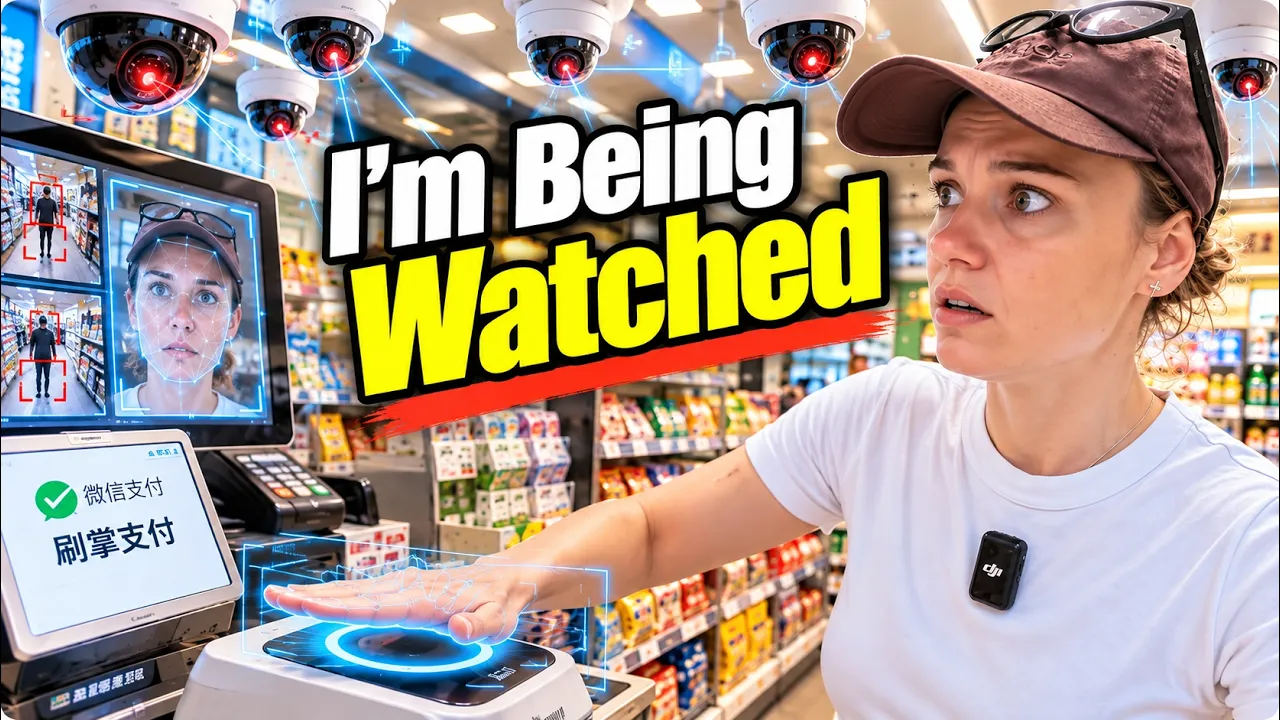
Cameras are everywhere — on streets, in shopping malls, at train stations, and even in places you might not expect. In this video, I take a closer look at China’s surveillance systems, explore how they compare with the West, and even try one of...
How much privacy do I really have living in China?
Cameras are everywhere — on streets, in shopping malls, at train stations, and even in places you might not expect. In this video, I take a closer look at China’s surveillance systems, explore how they compare with the West, and even try one of China’s most futuristic payment methods: paying with my hand. Is China really a place with “no privacy,” or is the reality more complicated?
I’m sharing what I actually see and experience living here, and asking a bigger question: how much privacy do any of us really have today?
Credits: Soundridemusic
Lizzy examines how cameras and digital services fit into daily life in China, drawing on her experience living there. She describes cameras as part of the background, recalls footage helping recover a misdelivered parcel, and tries palm payment at a convenience store through WeChat. She compares visible cameras with data collection through phones and apps, and explains why she personally connects public monitoring with both privacy concerns and a sense of safety.
How much privacy do I really have living in China?
Cameras are everywhere — on streets, in shopping malls, at train stations, and even in places you might not expect. In this video, I take a closer look at China’s surveillance systems, explore how they compare with the West, and even try one of China’s most futuristic payment methods: paying with my hand. Is China really a place with “no privacy,” or is the reality more complicated?
I’m sharing what I actually see and experience living here, and asking a bigger question: how much privacy do any of us really have today?
Credits: Soundridemusic
Lizzy discusses the cameras she sees around streets, apartment areas, and subway stations in China, saying that after living there for years they often fade into the background. She recalls camera footage helping locate a parcel that another person picked up by mistake, and mentions friends recovering stolen e-bikes. At a convenience store, she tries paying with her palm after setting it up through WeChat. She then compares visible street cameras with the less visible data collected by phones and online platforms. Lizzy says footage can help establish what happened after an incident, and that cameras make her feel more reassured when walking alone at night. She also acknowledges that people may see the same systems differently and describes her view of privacy and public security as complicated.
Lizzy examines how cameras and digital services fit into daily life in China, drawing on her experience living there. She describes cameras as part of the background, recalls footage helping recover a misdelivered parcel, and tries palm payment at a convenience store through WeChat. She compares visible cameras with data collection through phones and apps, and explains why she personally connects public monitoring with both privacy concerns and a sense of safety.
Lizzy explores public cameras, a parcel mix-up, and trying palm payment in China, then reflects on privacy and safety.
China’s Public Cameras and Palm Payment: One Resident’s View
3:25 At the package shop, collect your parcel and scan your code before leaving. If a parcel is missing, Lizzy says camera footage helped identify who picked it up by mistake.
4:41 To try palm payment, Lizzy used WeChat to scan and apply, then followed the shop’s palm reader prompts instead of taking out her phone, bank card, or cash.
6:13 She says to scan and press the control to pay again, then confirms she paid for two drinks with her hand instead of taking out her phone.
9:24 Lizzy says she takes the subway home late and walks through parks or residential areas with her phone; cameras make her feel safer, though she says they are not the only reason.
0:22 Claims about privacy in China
1:19 Cameras in everyday city life
3:25 Using cameras to find a parcel
4:08 Trying palm payment at a shop
7:31 Comparing data collection practices
8:20 When camera footage becomes relevant
9:24 Walking alone at night
10:49 Reflecting on privacy and security
0:22 Claims about privacy in China
1:19 Cameras in everyday city life
3:25 Using cameras to find a parcel
4:08 Trying palm payment at a shop
7:31 Comparing data collection practices
8:20 When camera footage becomes relevant
9:24 Walking alone at night
10:49 Reflecting on privacy and security
China privacypublic surveillance cameraspalm paymentWeChat paymentwomen walking at nightdaily life in ChinaHow did Lizzy try paying with her palm?
She used WeChat during setup at a convenience store, then scanned her palm and used the reader to pay.
Did cameras help resolve a problem in the video?
Lizzy says footage was checked after her parcel could not be found, and the person who had picked it up by mistake returned it.
Why does Lizzy say cameras can be useful?
In her view, footage can provide evidence after an incident and help identify what happened and who was responsible.
Does Lizzy say cameras are the only reason she feels safe?
No. She says they are not the only reason, but she feels reassured knowing there may be a record if something happens.