Originalquelle
Drinking in Rural China for Beginners
Rural China Drinking: Silk Road Adventure
What started out as a journey to an ancient silk road site ended in a night of heavy heavy drinking with locals. A night that I wish I could remember for a long long time.
enjoy, mike x
What started out as a journey to an ancient silk road site ended in a night of heavy heavy drinking with locals. A night that I wish I could remember for a long long time.
Embark on an unforgettable journey with Mike Okay as he explores the ancient Silk Road and stumbles into an unexpected night of revelry with local villagers. Experience the warmth of rural Chinese hospitality and the thrill of a night of heavy drinking, creating memories that will last a lifetime. This video captures the essence of authentic cultural exchange and spontaneous adventure.
What started out as a journey to an ancient silk road site ended in a night of heavy heavy drinking with locals. A night that I wish I could remember for a long long time.
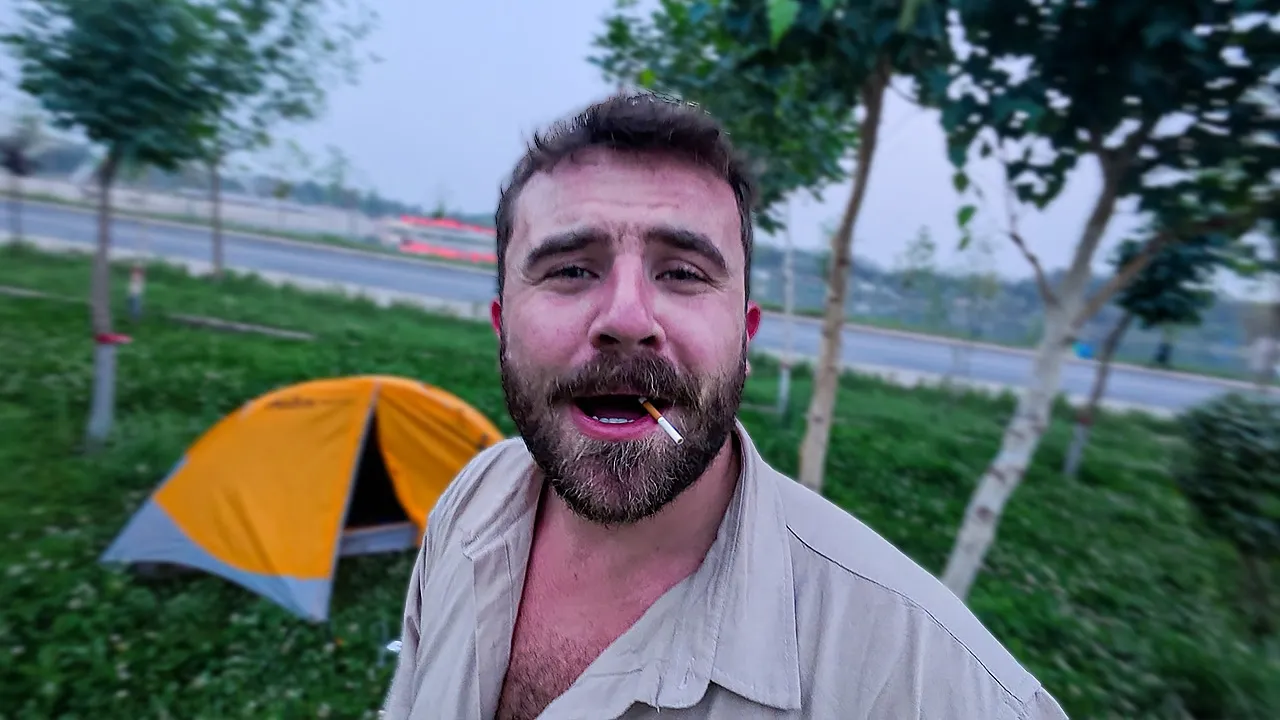
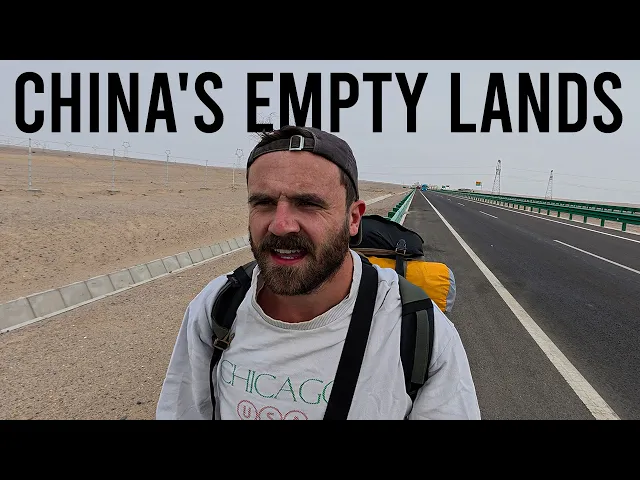
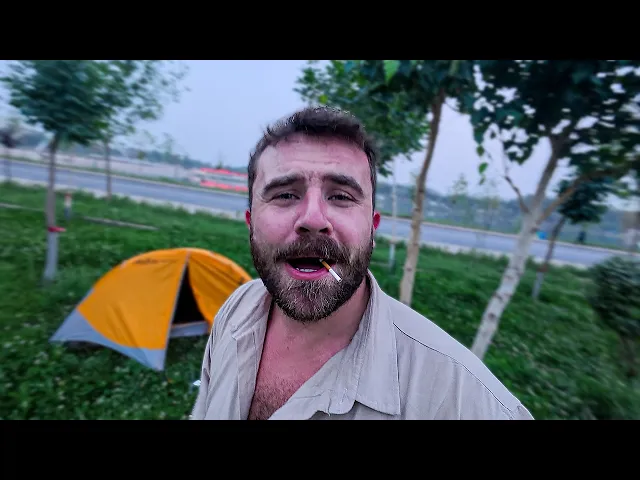
Mike Okay begins with a QR-code payment problem in a taxi and says the driver's payment app is not working. He suggests carrying US dollars as a personal fallback, then nearly misses his train. At Kashgar, a person who speaks English directs him underground to platform three. Mike takes a long train journey across the desert toward the southern Silk Road route. He explains that he came to the remote town of Nia to explore the Nia ruins, which he says are about 200 km into the desert, have no road leading to them and may require a permit. A woman offers him a ride in her taxi. He then hopes to camp in the desert, but local police tell him wild camping is not allowed in the area and help him reach a campsite instead. Mike speaks with local people, shares food and drinks, and tries Chinese baijiu. He says the bottle he drinks is 53% alcohol and reflects that he had been drinking too much before trying to cut back. An officer later explains that travelers moving between places are registered, including names, contact and passport details, and that faces are scanned; Mike clarifies that the officer said this applies to all travelers, not only foreigners. The trip ends with a noise complaint and Mike describing a hangover. The eSIM advertisement is not included.
Mike Okay travels through rural Xinjiang toward the Nia ruins, a remote Silk Road site he says lies about 200 km into the desert with no road and may require a permit. After a QR payment problem in a taxi and a long train journey, he is unable to camp in the wild and follows local police to a campsite. There he shares food and strong baijiu with local people and describes the travel-registration questions an officer explained to him.
A Silk Road journey to rural Xinjiang, where Mike's plan to camp near the Nia ruins turns into an evening with locals.
Rural Xinjiang Silk Road Trip: Nia Ruins and a Night with Locals
0:31 When the taxi's QR-code payment did not work, Mike suggested carrying US dollars as a fallback. That is his personal advice after this incident, not a guarantee that cash will solve every payment problem in China.
1:38 At Kashgar, Mike asked for help finding his train and a person who spoke English directed him underground to platform three. The exchange shows how asking someone nearby helped him find the correct platform when he was unsure.
4:32 Mike says the Nia ruins are about 200 km into the desert, with no road to reach them, and that a permit may be needed. He could not simply take a taxi there, so the ruins were not part of the trip shown.
11:30 When Mike noticed a police car following him while he looked for somewhere to camp, he says the best thing was to approach the officers and ask for help. They told him wild camping was not allowed in that area.
24:09 During this visit, an officer explained that travelers moving from place to place are registered and that the process included personal and passport details plus a face scan. Mike says the officer clarified this applied to all travelers, not only foreigners.
0:18 A taxi QR payment problem
1:38 Finding the train platform in Kashgar
2:01 Train journey across the desert
3:55 Arriving in Nia for the ruins
6:02 Planning to camp near Nia
11:30 Asking police about camping
13:06 Wild camping is not allowed here
14:52 A ride to the campsite
16:00 Setting up at the campsite
18:37 Sharing drinks with local people
22:27 Trying Chinese baijiu
24:09 An officer explains traveler registration
26:43 Food and toasts at the gathering
30:29 A request to lower the noise
31:01 Mike reflects on the hangover
Xinjiang travelrural ChinaSilk RoadNia ruinsTaklamakan Desertcamping in Chinalocal food and drinkChinese baijiuKashgar train travelWhere does Mike travel in this video?
Mike travels through Xinjiang to the rural town he calls Nia, near the southern Silk Road route and the Taklamakan Desert.
How far are the Nia ruins from town?
Mike says the ruins are about 200 km into the desert, with no road leading there, and that a permit may be needed.
Was Mike allowed to camp in the wild?
No. In this encounter, local police told him he was not allowed to camp in a wild area and helped him reach a campsite instead.
What did the officer say about traveler registration?
The officer explained to Mike that travelers moving from place to place were registered, with personal and passport details and a face scan. Mike says the officer clarified it applied to everyone traveling, not only foreigners.
What did Mike drink with local people?
He shared Chinese baijiu with people at the campsite and said the bottle he tried was 53% alcohol. He also reflects on trying to reduce his drinking.
What happened when the taxi's payment code did not work?
Mike says the driver's QR-code payment was not working and he was worried about missing his train. He suggested carrying US dollars as a personal fallback.