查看原文
The Truth About Traveling China (Q&A) 🇨🇳
Beijing Breakfast to Submerged Great Wall Q&A: Honest Travel
In this Q&A, I head to the Great Wall to answer your questions about travelling in China, including my favourite food, my favourite city, whether China is as modern as people say, what surprised me the most, and if I would come back.
We start in Beijing with a traditional Chinese breakfast, fresh...
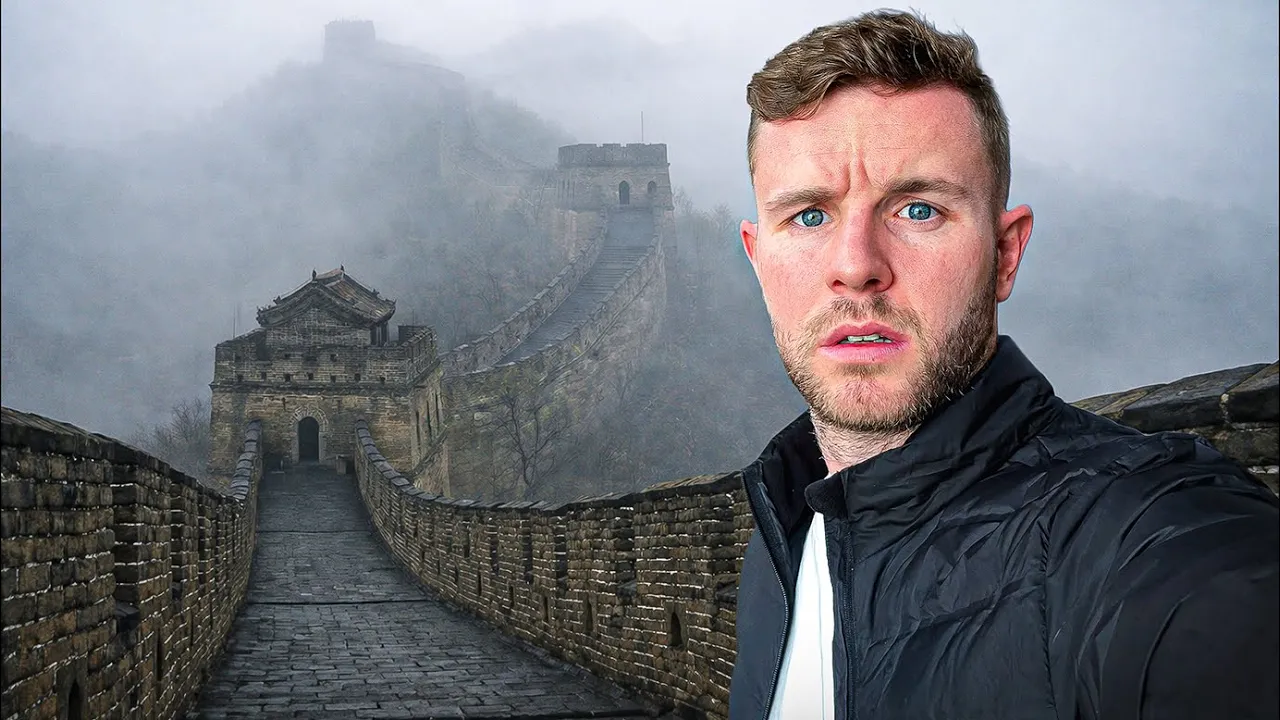
In this Q&A travel diary, Hugh Abroad begins in Beijing with a traditional breakfast of fresh soy milk and youtiao from a street vendor. He then visits a remarkable submerged section of the Great Wall at Panjiakou, where he spends time exploring the wall before sitting down to answer viewer questions. He shares his honest thoughts after traveling across China, describing the country as eye opening with incredible food and a unique culture that left a lasting impression. He expresses gratitude for the audience’s support and teases that next week he’ll explore a brand new country.
In this Q&A style travelogue, Hugh Abroad starts in Beijing, where he enjoys a traditional Chinese breakfast of fresh soy milk and youtiao from a local street spot. He then travels to one of the most unique sections of the Great Wall, specifically a part that’s submerged in water at Panjiakou. After exploring the wall, he sits down to answer viewer questions, sharing his honest impressions after traveling across China. He reflects on his favorite food and favorite city, whether China feels as modern as people say, what surprised him the most, and whether he would return. He describes China as one of the most eye-opening destinations he’s visited, highlighting incredible food, unique culture, and unforgettable experiences. He closes by thanking viewers for their support and hints that next week he’ll start in a brand new country, sparking curiosity about future travels.
In this Q&A travel diary, Hugh Abroad begins in Beijing with a traditional breakfast of fresh soy milk and youtiao from a street vendor. He then visits a remarkable submerged section of the Great Wall at Panjiakou, where he spends time exploring the wall before sitting down to answer viewer questions. He shares his honest thoughts after traveling across China, describing the country as eye opening with incredible food and a unique culture that left a lasting impression. He expresses gratitude for the audience’s support and teases that next week he’ll explore a brand new country.
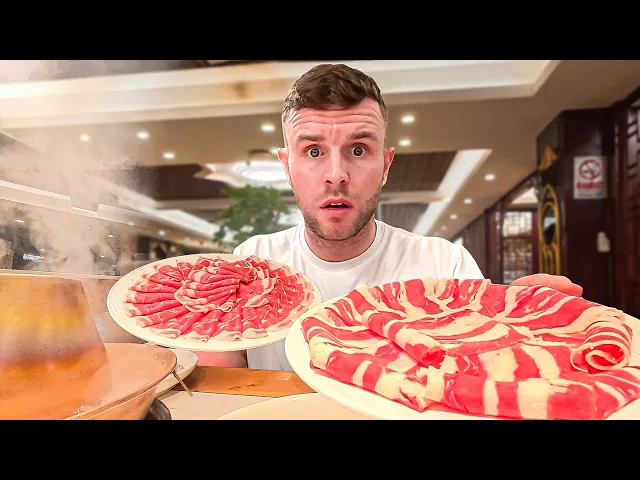
In his final China travel diary, editor Hugh Abroad begins in gray Beijing, starving and in need of a legendary breakfast. He ducks into an underground mall, finds a local joint, and scores a 15-yuan feast of sweet soy milk, crispy youtiao, a mystery meat pie, and a pork-and-green-bean bun. The soy milk and youtiao pair gets a perfect 10 out of 10. The meat pie? A flop. <br><br> With a full stomach, Hugh books a taxi via the Chinese app Gaode for 170 yuan to the Panjiakou section of the Great Wall—the only part that runs through water. After a two-hour ride, he arrives under thick clouds and negotiates a return trip with his driver. He wanders through a tiny local town, passing grilled fish and sunflower seeds, before finding the ticket counter. No ticket needed? He pays and enters. <br><br> The Ming Dynasty wall greets him with steep steps, a lake, and even a zip line. He learns this section flooded in the 1970s after a dam was built, submerging part of the wall. Only 10% of the entire Great Wall has been restored; he stands on restored stone, while a wild, crumbling watchtower looms nearby. <br><br> Sitting on the wall, Hugh answers viewer questions. His favorite food? Chongqing's xiaomian noodles—spicy, numbing, and cheap at £1.50 a bowl. Chengdu's dandan noodles come a close second. Biggest challenge? No Google Maps. He survived by switching to Dianping, a Chinese app that requires searching in Chinese. Favorite city? Chengdu: modern, clean, friendly, with incredible food. Weirdest eats? Garlicky, spicy crickets (or grasshoppers) from a Hangzhou night market—scored 10 out of 10. <br><br> Would he return? Absolutely. There's so much more to see. Friendliest city? Beijing, where locals chatted with him at red lights and in restaurants. He also snagged a souvenir newspaper cutout and a mango drink from a QR-code vending machine. <br><br> Communication tips? He uses basic Chinese, pointing, Google Lens, and ChatGPT's voice translation. China's tech blew him away—especially the QR-code payment system and high-speed rail. He calls the business-class train from Lijiang to Chengdu better than Japan's. Costs? Local meals run $2–$3, metro rides are cheap (3 yuan from Beijing airport), and accommodation averages $50 a night in central locations. <br><br> Shocks and surprises? The spitting culture (even on metro floors) and squat toilets everywhere—even in fancy restaurants. But the country's diversity amazed him: megacities, deserts, mountains, and Hainan's beaches. Food changes completely from city to city. Overcrowding? Never felt it, even in Shanghai or Chongqing. <br><br> Visa details: a two-year, multi-entry visa from the UK costing £160, allowing 90-day stays. He also notes China's new 240-hour transit visa for short visits. Filming? Accepted and common—Chinese love taking pictures, and no one understands his English chatter. <br><br> He wraps up thanking viewers, hops back to Beijing, and teases a brand-new country next week.
In this final China travel diary, editor Hugh Abroad trades Beijing's gray skies for a steaming bowl of soy milk and youtiao before heading to the submerged Great Wall at Panjiakou. He navigates language barriers with apps, splurges on a 10-out-of-10 breakfast for $2, and answers burning questions about China's food, tech, and squat toilets. Expect honest takes on spitting culture, mind-blowing high-speed rail, and why he'd happily return for more.
Hugh Abroad ends his China series with a $2 Beijing breakfast, the submerged Great Wall, and honest answers on food, tech, and travel tips.
The Truth About Traveling China Great Wall Breakfast Q&A
2:14 For a budget breakfast, find underground local joints near metro stations. Pointing at items works. Try sweet soy milk and youtiao—dunk the fried dough in the milk for the perfect bite.
5:26 To visit the submerged Great Wall at Panjiakou, book a round-trip taxi via Gaode app (about 170 yuan). Negotiate wait time with the driver, as no taxis are available in the remote area.
8:02 Entry to Panjiakou Great Wall is ticketed. Bring a QR code payment app like WeChat—no cash needed for tickets, drinks, or souvenirs.
12:29 Without Google Maps, download Dianping (orange app) to find restaurants and coffee shops. You'll need to search in Chinese, but it's a lifesaver.
16:10 To communicate with locals without Chinese, use pointing, Google Lens for menus, and ChatGPT's voice translation to speak aloud in any language.
17:36 QR-code payment is everywhere. Link Alipay or WeChat to your foreign bank card and scan to pay instantly—even at street stalls and vending machines.
21:06 Most public restrooms have squat toilets. Be prepared after leaving your hotel. Carry your own tissue and hand sanitizer, as supplies are often lacking.
0:01 Morning in Beijing
2:14 Local breakfast for $2
5:26 Arriving at Panjiakou Great Wall
9:24 First sight of submerged wall
11:18 Favorite food revealed
12:29 Biggest challenge traveling China
13:07 Weirdest thing eaten
15:32 Communication with locals
17:14 China's high-tech payment system
21:31 Biggest surprise about China
hugh abroad街头美食travelsolo travel中国旅行中国长城中国旅行视频beijing travelchina q&atravelling china as a foreigneris china modern中国旅行安全吗中国美食chinese street foodbeijing breakfastyoutiaosoy milk chinagreat wall submergedpanjiakou great wallchina travel guidechina tipschina experience外国人在中国honest thoughts chinasolo travel chinahugh abroad chinathings to do in chinaWhat was your favorite food in China?
Chongqing xiaomian noodles—spicy, numbing, and only about £1.50 a bowl.
What was the biggest challenge traveling China?
No Google Maps. I had to switch to a Chinese app called Dianping, which requires searching in Chinese.
What is the weirdest thing you ate in China?
Crickets or grasshoppers at a night market in Hangzhou. They were garlicky and spicy—actually scored them 10 out of 10.
Is China as high-tech as it looks online?
Yes, even more so. The QR-code payment system is everywhere—scan, pay, done. And the high-speed rail is better than Japan's.
How do you communicate with locals when you don't speak Chinese?
Pointing, Google Lens to translate menus, and ChatGPT's voice translation to speak out loud in any language.
What shocked you most about China in a good or bad way?
Good: the country's diversity—deserts, mountains, beaches. Bad: the spitting culture on clean streets and metro floors.