查看原文
China's Most Viral City Is Hiding a Dying Job
Chongqing's Vanishing Bang Bang Men: Viral City's Hidden Job
The city of Chongqing is essentially built into a mountain. Due to its terrain the city needed manpower to transport its goods from place to place, since vehicles couldn’t tackle the hills. The bang bang men, named after the bamboo sticks placed along their shoulders used to carry up to 50kg on each...
The city of Chongqing is essentially built into a mountain. Due to its terrain the city needed manpower to transport its goods from place to place, since vehicles couldn’t tackle the hills. The bang bang men, named after the bamboo sticks placed along their shoulders used to carry up to 50kg on each side, were once 500,000 strong. Today there are less than 2000 of them.
In viral Chongqing, a hidden story emerges: the bang bang men, once 500,000 strong, now fewer than 2,000. These human porters carry up to 50kg on bamboo sticks through steep hills, a dying trade in a modern city. Mike Okay explores this fading legacy, revealing the human cost behind a viral destination.
The city of Chongqing is essentially built into a mountain. Due to its terrain the city needed manpower to transport its goods from place to place, since vehicles couldn’t tackle the hills. The bang bang men, named after the bamboo sticks placed along their shoulders used to carry up to 50kg on each side, were once 500,000 strong. Today there are less than 2000 of them.
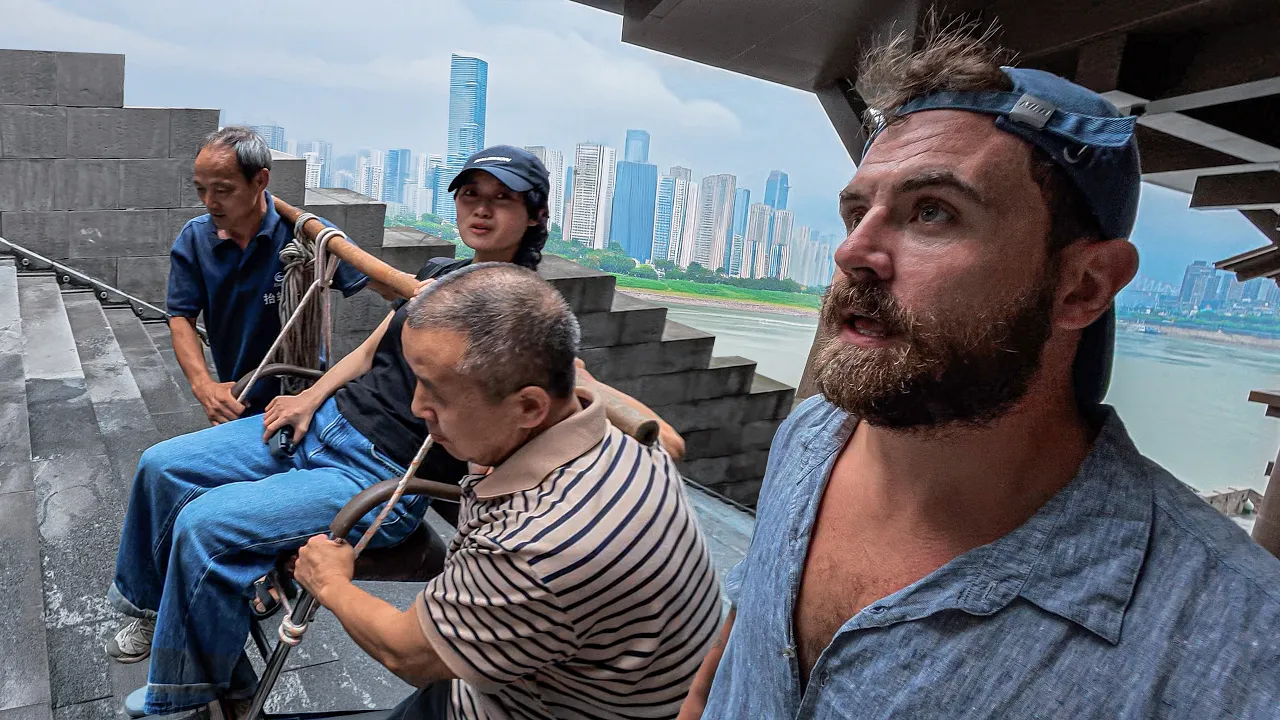
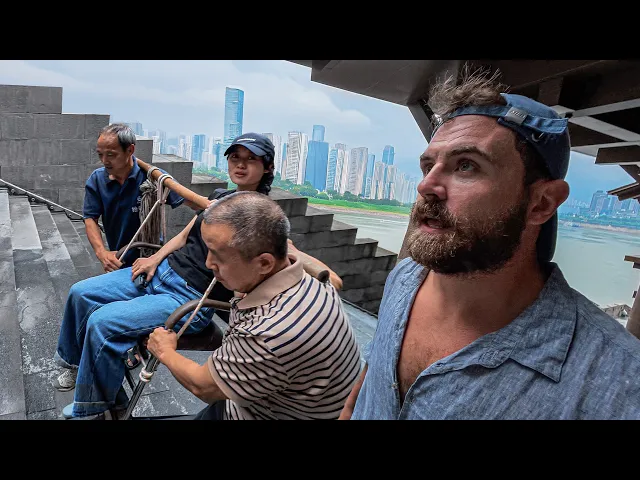
In the viral metropolis of Chongqing, where influencers flock to capture its neon-lit skyline, there exists a hidden pillar of the city’s history: the bang bang men. These porters, named after the bamboo poles slung across their shoulders, once numbered half a million. Today, fewer than 2,000 remain, and by 2030, their job is expected to vanish entirely. Mike Okay ventures into the gritty underbelly of Chongqing to meet the last of these men before they disappear.<br><br>The journey begins at the docks, where Mike and his guide Hong Lin encounter Mr. Lee, a 70-year-old former soldier who now earns 10 to 20 dollars a day carrying goods. Mr. Lee leads them to the cruise ship terminal, where bang bang men compete for tourists’ luggage. Mike watches as a 70-year-old man offers to carry a passenger up the stairs for 10 yuan—about $1.50. When Mike tries to hire him to carry Hong Lin, the old man insists he can lift the 100 kg traveler. Mike declines, but the moment reveals the raw physicality and dignity of this work.<br><br>The storyline deepens as Mike learns about the rapid decline of the trade. In the 1990s, there were 500,000 bang bang men; now, less than 2,000. Modern logistics—delivery trucks, elevators, and e-commerce—have made them obsolete. The few who remain are all elderly, with no young people taking up the stick. Mr. Lee’s own bamboo pole is 20 years old, a companion nearly as worn as his hands. Mike follows him on a job—a frantic run across town to secure a 10 yuan delivery. The rain pours, but Mr. Lee works on, his body bearing the weight of decades.<br><br>Perhaps the most intimate moment comes when Mr. Lee invites Mike and Hong Lin to his home. It’s a rare gesture in China, and the small apartment overlooking the city skyline costs just 500 yuan a month. Over baijiu—which Mike describes as tasting like paint stripper—Mr. Lee talks about his family, his military service, and the public’s perception of bang bang men as the lowest of society. Yet he carries on with quiet pride. Mike asks if he would do it all again, and Mr. Lee’s answer, though not fully translated, is a poignant reflection of a life spent lifting the city up.<br><br>Mike also addresses his own role as a storyteller, acknowledging the moral dilemma of profiting from documenting lives of hardship. He announces a donation to the Chongqing Charity Foundation, a small way to give back. The video ends with a haunting reflection: the bang bang men built Chongqing load by load, and now they are being pushed out of the very city they helped create. One day, Chongqing will miss them.
Behind Chongqing's viral neon allure, Mike Okay meets the last bang bang men—porters who carry loads up mountain stairs for a dollar. Their ancient trade is vanishing by 2030. Through Mr. Lee, a 70-year-old former soldier, we witness raw dignity, a home visit over baijiu, and a city forgetting its invisible heroes.
Mike Okay explores Chongqing's fading bang bang men, elderly porters carrying goods up mountain stairs. A heartfelt encounter with Mr. Lee reveals the dignity,
Chongqing's Last Bang Bang Men: A Dying Job on Camera
2:39 Visit the wholesale market and docks early in the morning to see bang bang men gathering for work. They often wait near cruise terminals for tourists with luggage.
5:16 Try experiencing the bang bang man service: pay 10 yuan for a porter to carry your luggage or even yourself up the steep stairs of Chongqing.
7:28 Observe that all bang bang men are elderly, over 50, with no young recruits. This highlights the urgent fading of a once-common trade.
19:03 If you meet a bang bang man, ask about his bamboo stick. Many have used the same pole for decades, and it holds deep personal history.
22:10 Be prepared for rain; bang bang men work in all weather. A typical job pays just 10 yuan for a short walk, revealing the harsh economics of their labor.
28:06 If invited to a bang bang man's home, accept. It's a rare chance to understand their private lives, often over strong baijiu and heartfelt stories.
0:20 Welcome to Chongqing
0:58 Meeting Mr. Lee
2:39 Mr. Lee's story
5:16 Carrying people up stairs
7:28 No young men
16:26 Decline to 2,000
20:21 Running for a job
23:20 Chongqing's change
28:06 Home visit
38:18 Final reflection
0:20 Welcome to Chongqing
0:58 Meeting Mr. Lee
2:39 Mr. Lee's story
5:16 Carrying people up stairs
7:28 No young men
16:26 Decline to 2,000
20:21 Running for a job
23:20 Chongqing's change
28:06 Home visit
38:18 Final reflection
bang bang mendying professionporterschinese culturemountain stairselderly workerstraditional jobslocal lifeHow much do you charge for carrying luggage?
10 yuan per piece.
How much do you think that weighs?
Less than 50 kg.
How much money did you make for that job?
10 yuan.
How old are you, Mr. Lee?
70 years old.